Uttara Bhadrapada & Dashami: A Day of Depth and Devotion
Krishna Dashami meets Uttara Bhadrapada nakshatra — a day the tradition invites us to go deep, act with integrity, and rest in devotion.
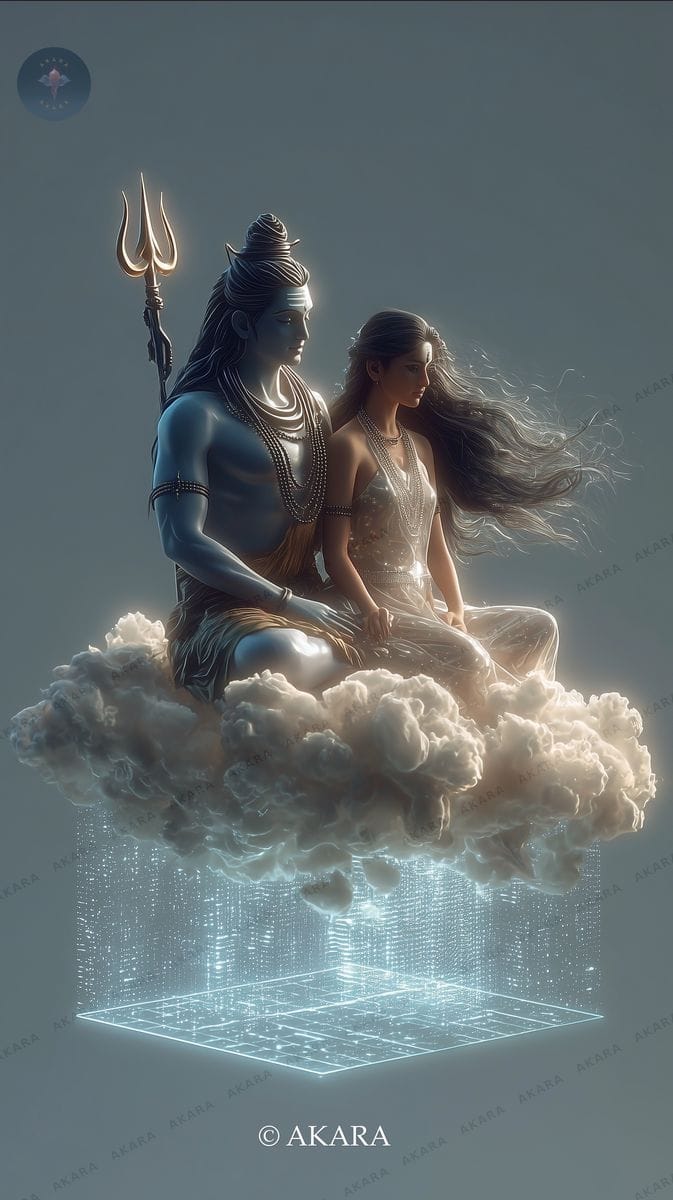
There is a particular quality of stillness in today's sky. The Moon rests in Meena rashi, held within the fourth pada of Uttara Bhadrapada nakshatra, as the tithi settles into Krishna Dashami — the tenth lunar day of the waning fortnight. Yoga Ayushman graces the day with a tone of vitality and long-range purpose, while the Sun continues its steady passage through Vrishabha, grounding solar energy in patience and perseverance. For the seeker who looks to the daily panchang not as a fortune-teller's chart but as a living almanac of time, this combination speaks quietly and clearly: go inward, act with care, and let your actions arise from something deeper than urgency.
The Panchang as Sacred Calendar
In Sanatana Dharma, time itself is considered sacred — not a neutral container in which events happen, but a quality of consciousness that colours every moment. The panchang, literally meaning 'five limbs' (pancha = five, anga = limb), measures time through five simultaneous streams: tithi (lunar day), vara (weekday), nakshatra (lunar mansion), yoga (combined solar-lunar degree), and karana (half-tithi). When these five align in a particular way, they create what the tradition calls a muhurta — a quality of time worth recognising and working with. Today's combination is not one of dramatic fireworks. It is something more valuable: a day with genuine depth.
Uttara Bhadrapada: The Star of Ahimsa and Inner Rain
Uttara Bhadrapada is the twenty-sixth nakshatra in the sequence of twenty-seven, spanning 3°20' to 16°40' of Meena (Pisces). Its presiding deity is Ahir Budhnya, the serpent of the deep — a form of the cosmic subterranean force that is connected to rain, fertility, and the hidden reserves of wisdom that lie beneath the surface of ordinary life. The symbol is the back legs of a funeral cot, or in some traditions a two-headed serpent, pointing to the nakshatra's association with liminality: the space between worlds, between sleep and waking, between this life and what lies beyond.
Ahir Budhnya belongs to the Rudra family, and so the energy here is not soft in the superficial sense — it is profound, patient, and ultimately purifying. The ruling planet is Saturn (Shani), which in Meena does not constrict so much as it deepens. The fourth pada, where the Moon sits today, falls in the Scorpio navamsha, amplifying the introspective, investigative quality of the nakshatra even further.
In practice, this means the day carries a strong current toward: meditative focus, research and serious study, work that requires sustained attention, healing practices, and any form of honest self-inquiry. The Uttara Bhadrapada energy does not hurry. It is the energy of the deep-sea diver, not the sprint swimmer.
"He who is rooted within himself moves through the world like a lamp in a windless place — undisturbed." — Bhagavad Gita 6.19 (paraphrase)
Krishna Dashami: The Tenth Lunar Day
The tithi today is Krishna Dashami — the tenth day of the Krishna Paksha, the waning fortnight. Dashami is governed by Dharmaraja (Yama), the presiding deity of cosmic order and right conduct, making it a tithi particularly aligned with dharmic action, settling of accounts (material and moral), and activities that call for steadiness of purpose.
In the Muhurta Chintamani and other classical Jyotish texts, Dashami is listed as a mixed tithi — neither exclusively auspicious nor inauspicious, but one that rewards integrity and effort. It traditionally favours: travel with intention, acts of service, legal and administrative clarity, and any undertaking where one wishes to see things through to completion. It is less favourable for beginning entirely new ventures or for activities requiring unrestrained celebration. The waning Moon counsels consolidation over expansion.
Taken together, Uttara Bhadrapada and Dashami are not at cross-purposes — they reinforce each other's message: attend to what is essential, and do it well.
Yoga Ayushman and the Sun in Vrishabha
The Yoga for the day is Ayushman — associated with longevity, vitality, and lasting benefit. The twenty-seven Yogas are calculated from the combined longitude of Sun and Moon, and Ayushman is considered broadly auspicious, particularly for health-related decisions, long-term investments of time or resources, and practices aimed at building spiritual stamina rather than seeking quick results. It is an excellent Yoga for beginning a new wellness routine, deepening a meditation practice, or revisiting a dormant commitment to bhakti.
The Sun in Vrishabha (Taurus) adds its own stable, deliberate note. Solar energy in Vrishabha is less about the dramatic leap and more about the patient accumulation of light — sunrise by sunrise, step by step. This is a season of the year that traditionally honours the earth's abundance, and the Surya in Vrishabha reflects that: steady, generous, and requiring nothing flashy in return.
Moon in Meena: Devotion as the Natural Current
With the Moon transiting Meena rashi, the emotional atmosphere of the day is genuinely devotional. Meena is the twelfth and final sign of the zodiac — the sign of dissolution, surrender, and spiritual homecoming. The Moon here can make the inner world feel more vivid than the outer; dreams may be stronger, empathy more pronounced, and the heart more responsive to beauty, prayer, and music.
This is a day when bhakti — the path of loving devotion — feels especially natural. The tradition does not require elaborate ritual on every day; sometimes what is called for is simply to sit before one's altar, or in a quiet moment, and allow the heart to turn toward the Divine without agenda. For devotees of any ishta-devata, the Moon in Meena on Uttara Bhadrapada is a gentle invitation: offer what you have, as you are.
A Reflective Practice for Today
Rather than prescribing a fixed ritual, the Vedic tradition offers guidance that the practitioner adapts to their own life. Here is one approach that honours today's panchang:
- Morning: Before the day's tasks begin, spend five to ten minutes in stillness. You might recite the Shanti Patha or simply observe the breath. Invite the quality of depth that Uttara Bhadrapada embodies — no rushing.
- Midday: Use a moment at noon to mentally review the morning with honesty. Dashami and its Dharmaraja association remind us that clear seeing is itself an act of dharma.
- Evening: Light a lamp or a stick of incense. Let the bhakti of the Moon in Meena have its expression — through song, through silent prayer, through gratitude spoken aloud or written down.
This is not superstition. It is the ancient and sensible practice of living with time rather than merely in it.
A Note on Traditional Guidance
Everything offered here is drawn from classical Vedic Jyotish principles and the commentary tradition of the panchang. It is traditional guidance, offered in the spirit of Sanatana Dharma's understanding that time has quality and texture. It is not personal prediction, and it is not a substitute for one's own discernment, one's physician, or one's elders. The Akara tradition holds that the highest use of any astrological knowledge is not to bind the future, but to arrive more fully in the present — ahana, this very dawn, this very breath.
Attend to what is essential, and do it well — this is the quiet counsel of Uttara Bhadrapada and Dashami combined.
सहस्रं ते शतं ते अयुतं ते मध्ये वत्सं sahasraṃ te śataṃ te ayutaṃ te madhye vatsaṃ
Among thousands, hundreds, countless beings — You remain the beloved one
Questions & answers
What is Uttara Bhadrapada nakshatra known for?
Uttara Bhadrapada is the twenty-sixth nakshatra, spanning Meena (Pisces). Ruled by Saturn and presided over by the deity Ahir Budhnya, it is associated with depth, patience, hidden wisdom, and spiritual perseverance. It favours introspection, sustained effort, and devotional practice.
What does Krishna Dashami tithi mean for the day?
Krishna Dashami is the tenth lunar day of the waning fortnight, governed by Dharmaraja. It favours dharmic action, steady effort, consolidation of existing projects, and honest self-appraisal. It is generally not recommended for launching entirely new ventures, but it rewards diligence.
Is today's panchang auspicious for spiritual practice?
Yes. The combination of Uttara Bhadrapada nakshatra, Moon in Meena, and Yoga Ayushman makes today particularly supportive of meditation, bhakti, healing practices, and any form of deep or sustained inner work. Ayushman yoga adds a quality of lasting benefit to sincere efforts.
What does Moon in Meena rashi indicate?
Moon in Meena (Pisces) heightens emotional sensitivity, empathy, and the natural impulse toward surrender and devotion. It can make the inner life feel more vivid and makes bhakti — loving devotion — feel especially accessible and natural on this day.
How should I use panchang guidance in daily life?
The panchang is best understood as a traditional almanac of time's qualities, not a strict rulebook. Use it to attune your activities to the day's natural current — leaning into what is favoured and bringing extra patience to what the day counsels against. It is guidance in the spirit of Sanatana Dharma, not personal prediction.