Deities · Masik Durgashtami
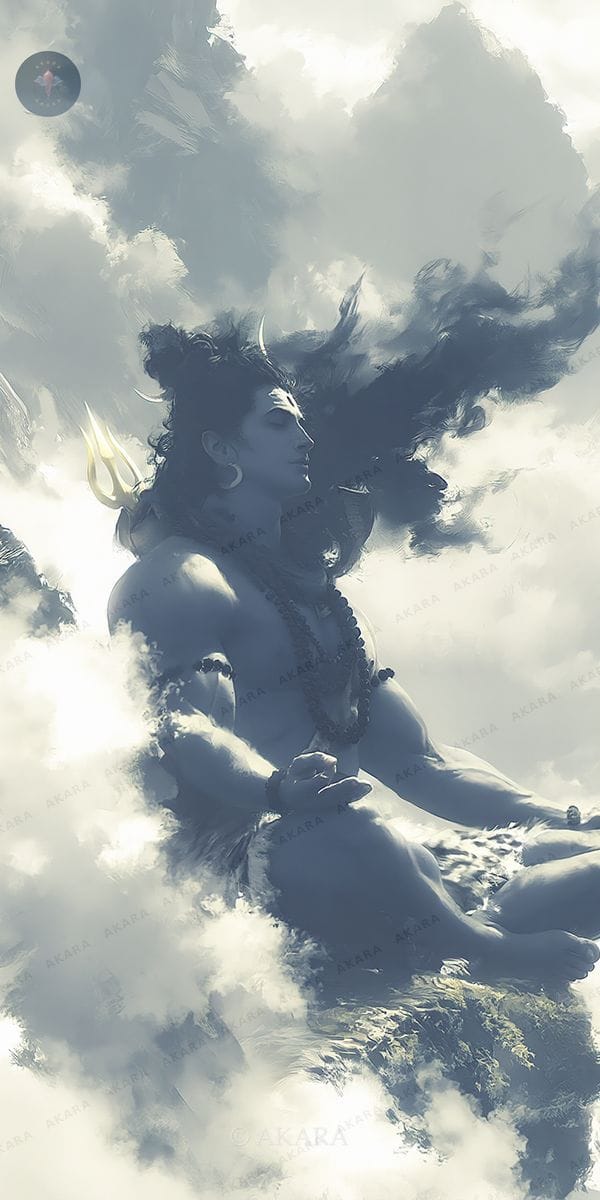
Mahadeva: Who Is Shiva and What Does He Ask of Us?
On this auspicious Monday, we turn toward the one who holds the universe in stillness and the cosmos in dance.
Daily writing on the deities, festivals, astrology, and living philosophy of Sanatana Dharma — illustrated from the Akara collection.
On this auspicious Monday, we turn toward the one who holds the universe in stillness and the cosmos in dance.

As the Ashtami tithi unfolds across India and the world, the Goddess reveals her most luminous and most fierce faces simultaneously — and every devotee is invited to witness the turning of the cosmic tide.
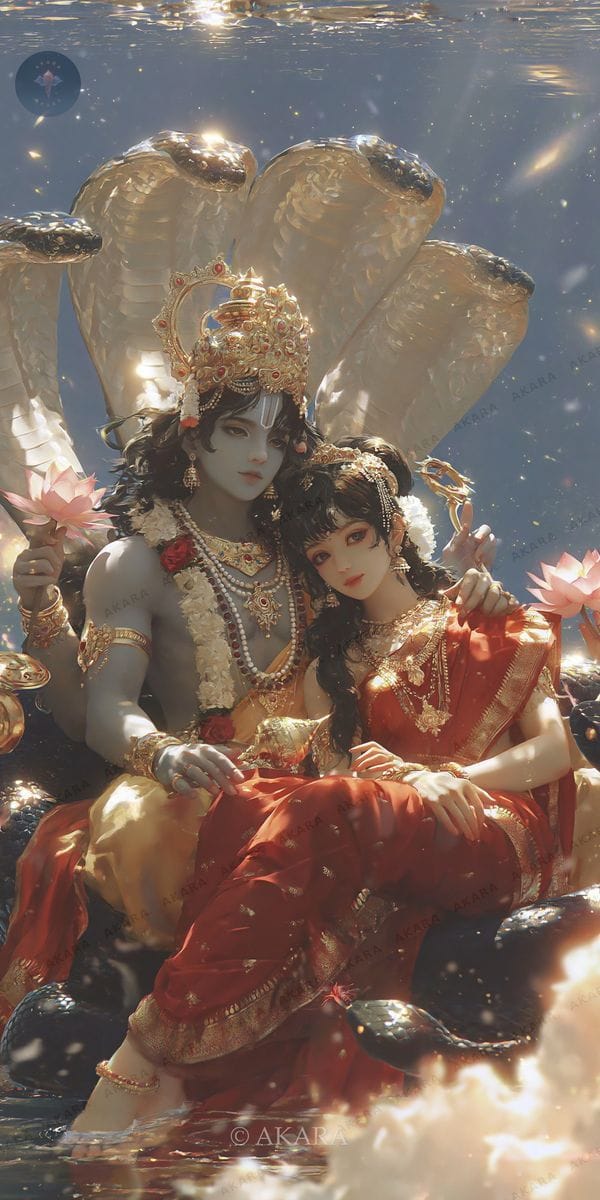
The three great forms of the Divine — creator, preserver, and transformer — are not a pantheon of rivals but a single cosmic breath.
What the stars and the sacred almanac counsel for a day shaped by Jyeshtha's sovereign energy and the sixth tithi's quiet power.
On Vishnu's own day, we turn toward the blue-hued Lord who sustains all creation — and ask what it truly means to dwell in his protection.
Today, on Shukla Chaturthi under Nakshatra Anuradha, millions bow before the fourth of the Navadurga — the radiant Goddess whose divine smile kindled the first light of existence.
From the courtyard to the cosmos, the Tulsi plant embodies devotion, healing, and the living presence of the Divine Feminine.
When the wind-born star of independence meets the second lunar day, the cosmos invites us toward balance, initiative, and steady inner devotion.
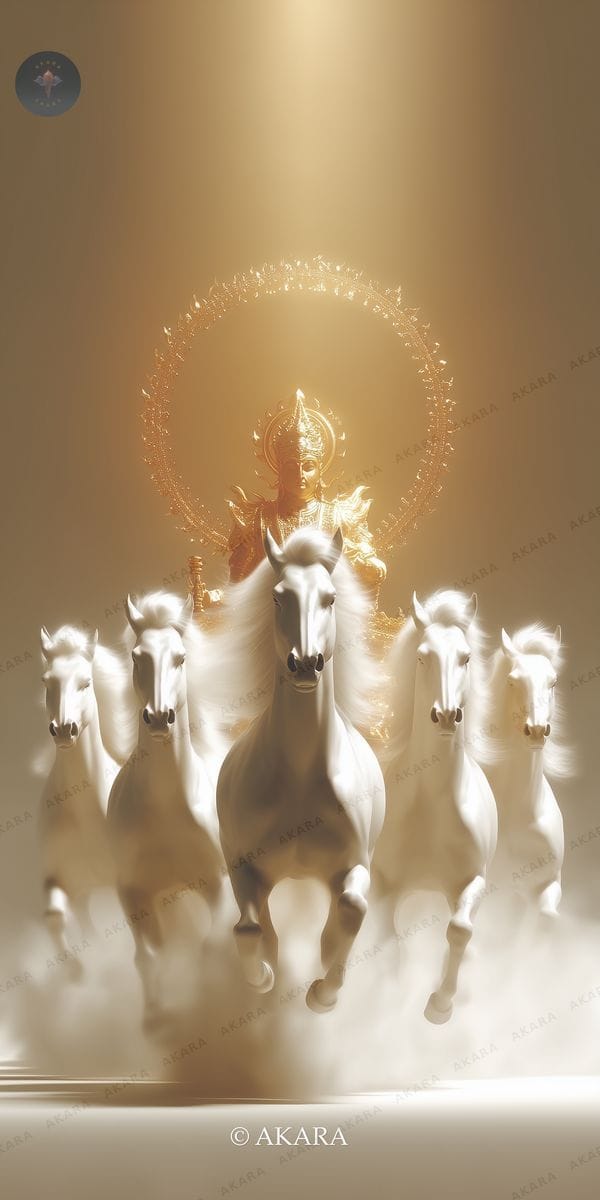
On this Sunday of Shukla Pratipada, we turn toward the one deity who never requires us to seek him — for he is already shining.
On this Ashvina Amavasya — Mahalaya and Shani combined — the sky empties itself so that something deeper may fill us.
Eighteen chapters, one battlefield, and a conversation that reshaped the course of human understanding — here is what the Gita actually teaches.

When the star of luxury meets the waning moon's turning point, tradition counsels both celebration and conscious restraint.
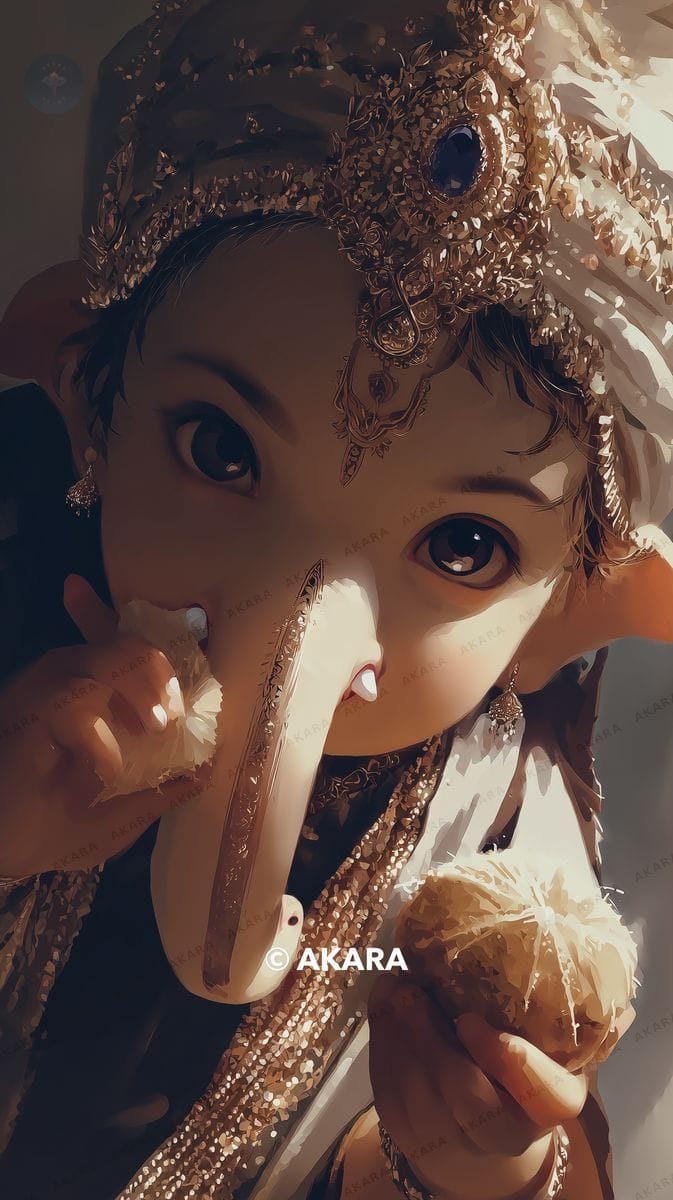
On this Wednesday, the day that belongs to Ganapati, we explore the depths of the elephant-headed deity who stands at every threshold.
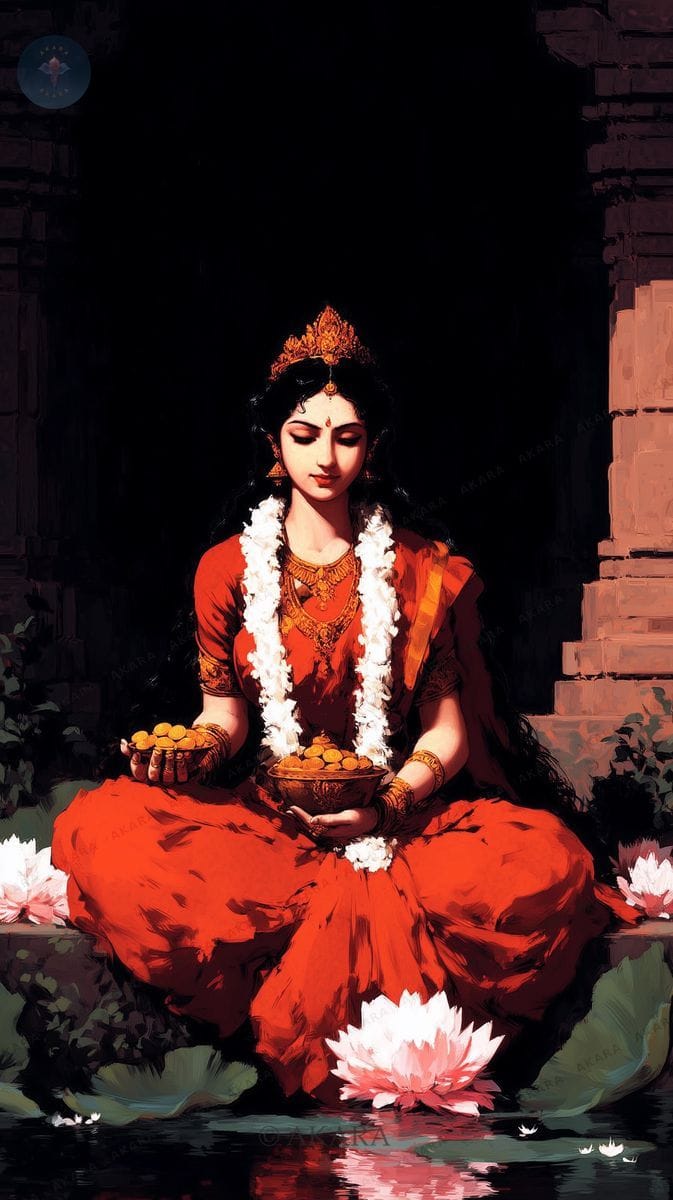
On the eleventh lunar day of Ashwin Krishna Paksha, devotion to Narayan and remembrance of the departed converge in one of the year's most tender observances.
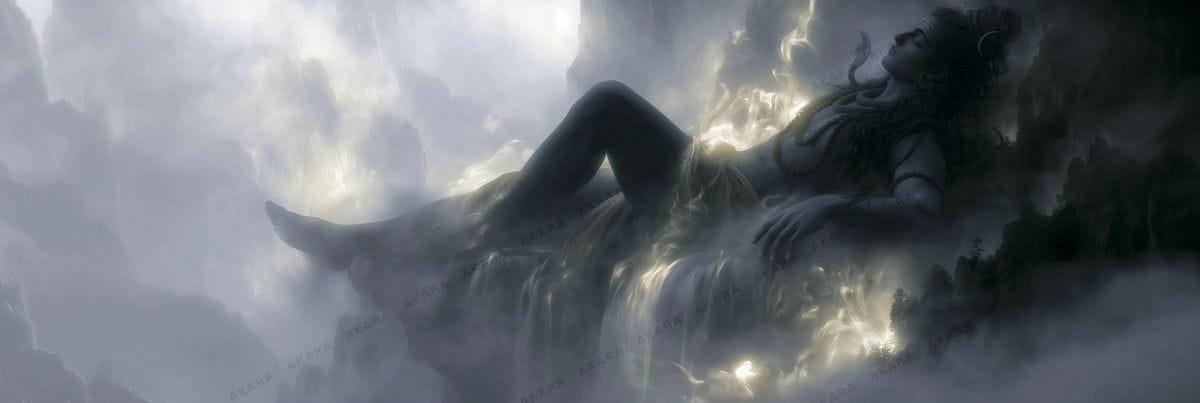
The most ancient of healing mantras, the Maha Mrityunjaya calls on Lord Shiva to liberate us from the fear of death and the cycle of ignorance.
The stars counsel a homecoming of the spirit — how today's panchang invites us to return to what is essential.
On this Saturday of Krishna Saptami, we turn toward Anjaneya — the one whose devotion is itself a form of liberation.
As the autumn sky deepens and Ashwin's cool breath arrives, the great festival of the Divine Mother draws near — nine nights, nine forms, one infinite Shakti.
From his curved trunk to the modaka in his hand, every element of Ganesha's form is a precise teaching in devotional and philosophical language.
When Bharani's fierce transformative energy meets the inward pull of Chaturthi, the day asks us to hold our power with patience and clear intention.
On this Tuesday, we sit with Hanuman — the Vajra-limbed one whose every breath carries the name of Rama.
As the sun settles into Kanya and the moon wanes toward silence, Sanatana Dharma calls every household to its most intimate duty — remembering those who gave us life.

On this Bhadrapada Purnima, as the full moon holds the sky from dusk to dawn, Sanatana Dharma invites every seeker to turn inward — and meet the Goddess who has never left.
When the Moon moves through the Healer's star on the fourteenth tithi, the day calls for depth, discernment, and devoted stillness.
On this Thursday, the day of Hari, we turn toward the blue-complexioned Lord who holds the cosmos in a gentle, four-armed embrace — and ask what it means to live under his protection.
As the autumn sky deepens and Pitru Paksha draws to a close, the cosmos turns toward the Great Mother — and Navratri calls every seeker home.
On this Bhadrapada Shukla Ekadashi, Lord Vishnu — resting on the cosmic serpent Shesha — turns upon His side, and the universe quietly realigns.
When the Moon rests in Uttara Ashadha on the tenth lunar day, tradition counsels disciplined effort, righteous action, and the quiet power of lasting resolve.
On this Shukla Navami Sunday, we turn toward Aditya — the Self-luminous one whose gaze purifies, sustains, and liberates.
On Bhadrapada Shukla Ashtami — today — Braj and the bhakti world celebrate the appearance of the one through whom Krishna himself is reached.
From lunar astronomy to liberation of the soul, Ekadashi vrat is one of the most profound and complete spiritual practices in the Sanatana tradition.
When the Moon rests in Anuradha and the sixth tithi waxes bright, tradition offers a map — not a forecast — for living this day with intention.
On a Wednesday graced by Shukla Panchami, we turn to the first among gods — Ganesha, whose blessing precedes every sacred beginning.
As the month of Bhadrapada ripens, Hindu families worldwide turn inward — to remember, to offer, and to be blessed by those who came before.
From the Mandukya Upanishad to the morning puja, Om is not merely a word — it is the universe itself, compressed into a single syllable.
The Moon dwells in Hasta on this Shukla Dwitiya — a day the tradition regards as quietly powerful for craft, devotion, and new beginnings.
On the day that belongs to him, we turn to Bajrangbali — the one whose devotion is itself a form of divine power.
On the new-moon night of Bhadrapada — when the sky holds no light — Sanatana Dharma asks us to turn inward, honour our ancestors, and meet the formless face of Mahadeva.
Before it was called Hinduism, it was simply the way things are — and always have been.
When the serpent star meets the waning thirteenth, Vedic tradition counsels stillness, sincerity, and inner work over outward striving.
On this auspicious Tuesday, we enter the presence of Anjaneya — the great devotee, the matchless hero, and the protector of seekers everywhere.
On this Krishna Ekadashi in Bhadrapada, the eleventh lunar day invites every seeker to step into lightness — body, mind, and memory turned toward Narayana.
The most sacred verse in the Vedic canon, unpacked syllable by syllable — for every seeker who has chanted it and longed to understand.
The seeker's nakshatra meets the ninth tithi of the waning moon — a day the tradition invites us to refine our search, not rush it.
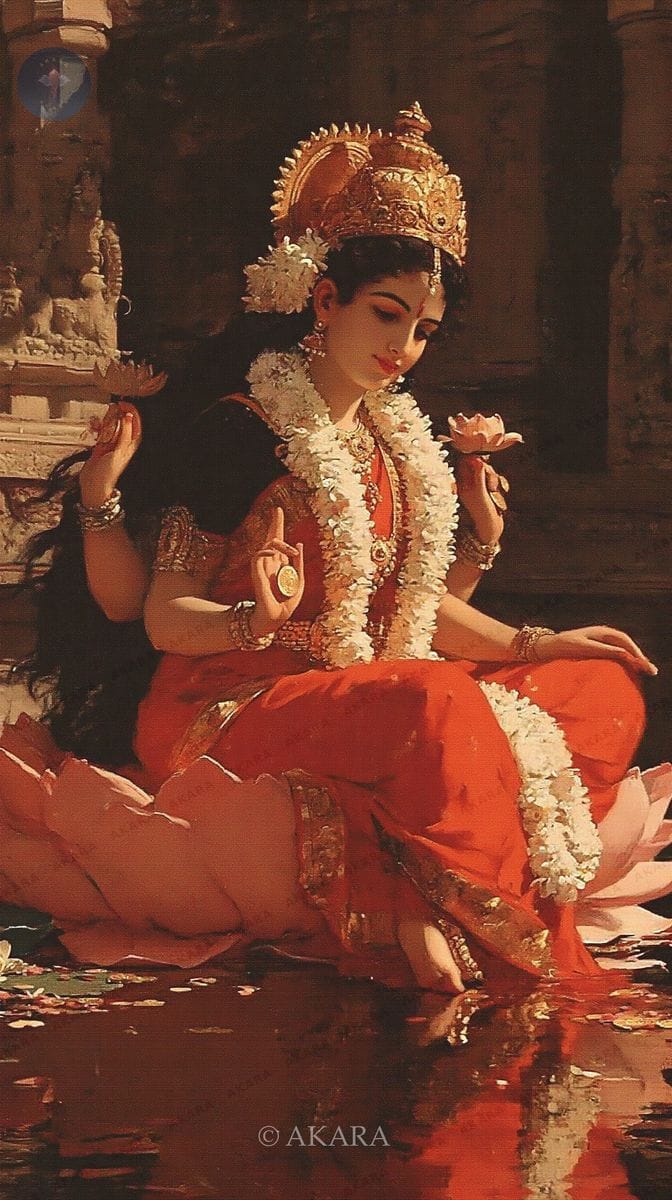
On this auspicious Friday, we turn to Shri Mahalakshmi — the radiant goddess whose grace is not merely fortune, but the fullness of a life well lived.
Eleven days before the world watches the great Visarjan processions, the Akara Times reflects on why Ganesha does not merely receive our worship — He comes home.
A syllable-by-syllable journey into one of Sanatana Dharma's most ancient and beloved invocations to Lord Shiva.
When the swift energy of Ashwini meets the introspective depth of Krishna Chaturthi, the day invites both action and surrender.
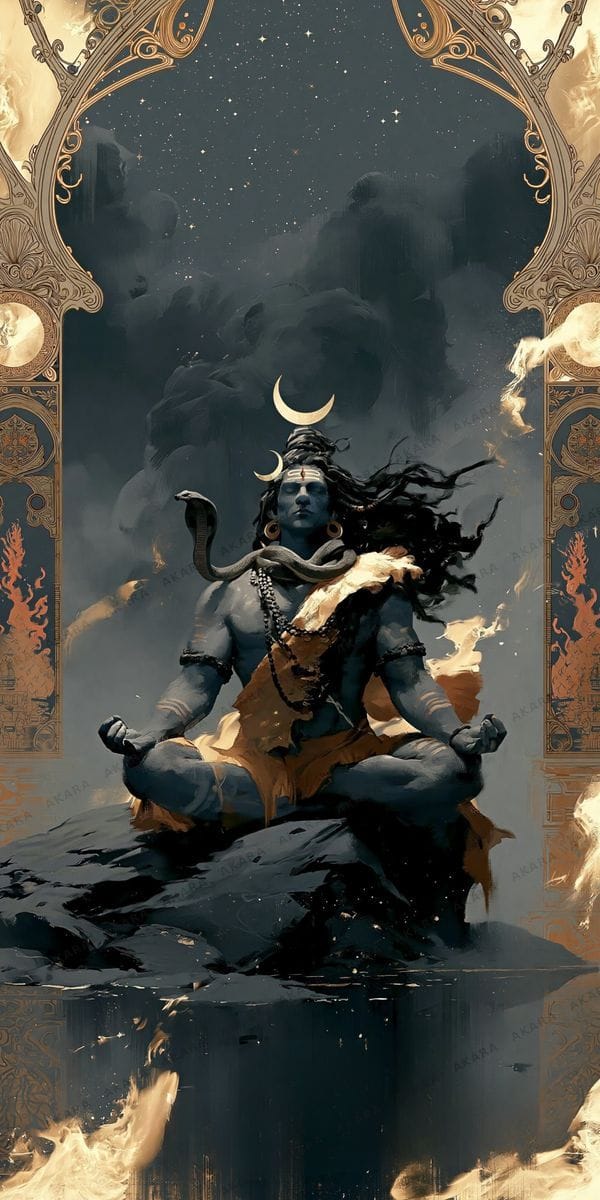
On this Monday sacred to Shiva, we turn toward the Lord of Dissolution — auspicious, austere, and infinitely compassionate.
Four days after Thiruvonam, the fragrance of pookalam still lingers — because the truths Onam carries are not seasonal; they are eternal.
Forty verses, one eternal truth — a seeker's complete guide to Tulsidas's great hymn of devotion to Lord Hanuman.
A grounded reading of today's panchang — Anuradha nakshatra and Shukla Navami — through the lens of Vedic jyotish and Sanatana Dharma.
On this auspicious Thursday, we enter the luminous world of Narayana — the one who abides in all beings, sustaining creation with grace.
As Kerala's ten days of splendour begin this very week, the Akara Times looks at the ancient theology — and timeless invitation — at the heart of Onam.
From the tears of Shiva to the wrist of the seeker — a complete guide to Rudraksha, the most revered bead in Sanatana Dharma.
When the star of the divine architect meets the fifth lunar day, the cosmos invites precision, beauty, and discernment.
From the Rigveda's dawn hymns to today's Shukla Chaturthi, Surya illuminates both sky and soul — and asks only that we turn toward the light.
On Shravana Shukla Tritiya — today, the third day of the bright fortnight — the rains and the divine meet in one of Sanatana Dharma's most tender festivals.
From the clay lamp to the rising incense, every element of Hindu worship carries a profound language of light — one the heart already knows.
When the Moon rests in Ashlesha on the first bright day of the lunar fortnight, tradition asks us to look inward with clear eyes and a steady heart.