Purushottam Maas 2026: The Sacred Month the Lord Made His Own
As the rare Adhika Jyeshtha Maas draws to its close, the Akara Times reflects on the most luminous gift of Sanatana Dharma's living calendar: a month that belongs entirely to the Supreme.
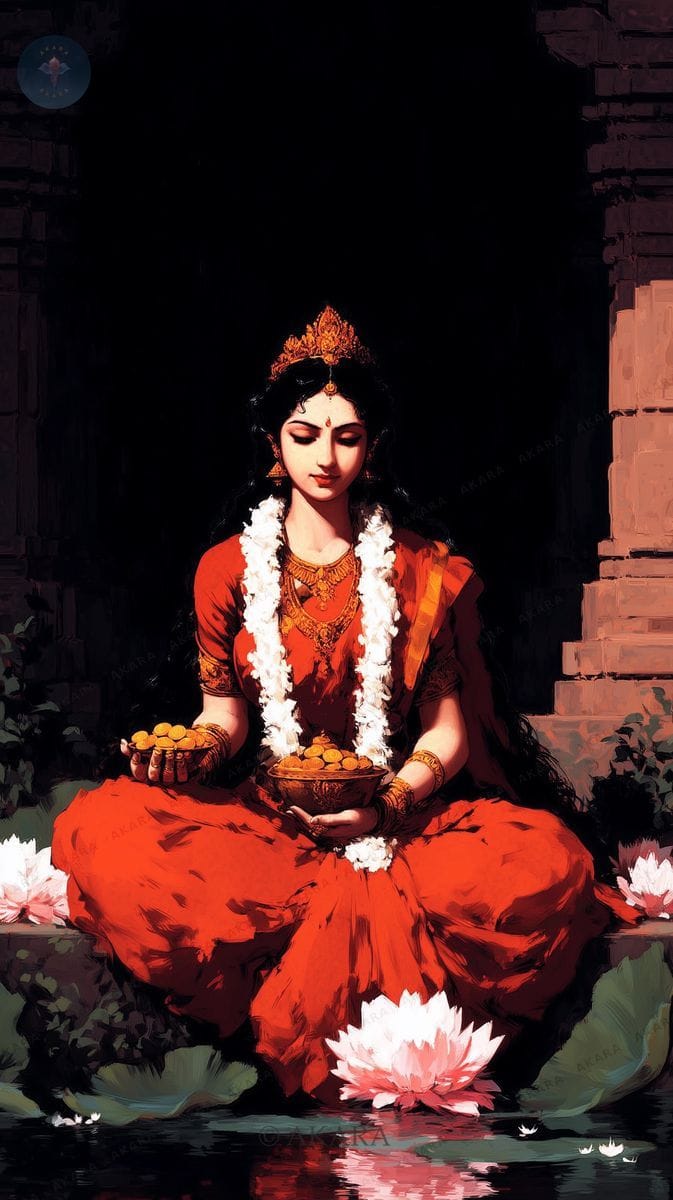
Sometime before dawn this week, millions of devotees across India and the world will light their last lamp of a month that exists for one reason alone — to belong to God. Purushottam Maas, the intercalary lunar month that began on 17 May and concludes on 15 June 2026, is no ordinary span of days. It is a calendrical miracle that ancient sages decoded, a forsaken month that Lord Vishnu Himself adopted, and — for the sincere seeker — a compressed universe of spiritual opportunity. With today's Panchang standing at Krishna Dwadashi in Adhika Jyeshtha under the watchful star Ashwini, we are in the final, resonant days of this sacred interval. This is the time to understand what we have been living through.
A Calendar Miracle: How Adhika Maas Is Born
The Hindu Panchang is a lunisolar system — it tracks both the Moon's phases and the Sun's journey through the twelve rashis (zodiac signs). <cite index="24-6,24-7,24-8,24-9">The Hindu calendar follows the movement of the Moon, while the solar calendar follows the Sun. A lunar year is around 354 days, while a solar year is around 365 days — a difference of about eleven days every year. Over a few years, this difference accumulates to almost one full month.</cite> <cite index="24-10">To balance this gap, one extra month is added to the Hindu calendar, and this month is called Adhika Maas.</cite>
<cite index="19-2">Normally, seven such extra months occur in nineteen years.</cite> In 2026, the additional month falls within Jyeshtha, giving us what is called Adhika Jyeshtha — a rare occurrence. <cite index="22-9,22-10">This year sees the phenomenon of Double Jyeshtha, in which the Jyeshtha month extends to approximately sixty days.</cite> <cite index="12-7,12-8">June 2026 is therefore one of the most spiritually charged months in the Hindu calendar, carrying the rare Adhika Jyeshtha Maas from approximately 17 May to 15 June 2026.</cite>
For the astronomer, this is an elegant correction. For the devotee, it is an invitation from heaven.
From Mal Maas to Purushottam: The Story of Refuge
Every regular lunar month is presided over by a deity. The extra month — called Mal Maas (मल मास, the impure month) or Londa Maas in regional tongues — had no such patron. <cite index="20-13,20-14,20-15">Because no Surya Sankranti occurred during this period, people avoided performing auspicious ceremonies such as marriages, housewarming rituals, or new beginnings in this month. As a result, it was called Mal Maas and was often neglected and disrespected.</cite>
<cite index="21-10,21-11,21-12,21-13">According to Hindu mythology, feeling neglected, the month approached Lord Vishnu and sought refuge. Lord Vishnu compassionately accepted the month and blessed it with His divine name "Purushottam" — meaning "The Supreme Being" — declaring that devotees who worship Him sincerely during this sacred month would receive immense spiritual merit, greater than ordinary worship performed throughout the year. Since then, Adhika Maas has been known as Purushottam Maas, dedicated to Lord Vishnu worship.</cite>
This legend, preserved most fully in the Padma Purana, carries a teaching that resonates far beyond any calendar. The month that the world rejected became the most cherished of all — because the Lord, in His infinite compassion (karuṇā, करुणा), sees the forsaken and calls it His own. It is the very grammar of bhakti: to be turned away by the world and to find shelter at the lotus feet of the Divine.
The Spiritual Arithmetic of Purushottam Maas
What makes this month so remarkable, in practical terms, for the practising devotee?
<cite index="18-4">Ancient scriptures record that Lord Vishnu explained to Goddess Lakshmi that spiritual acts such as Snaana (sacred bath), Japa (mantra chanting), Dhyana (meditation), Homa (fire rituals), Vrata (fasting), Dana (charity), prayers, and devotional activities performed during this month grant Akshaya Phala — everlasting spiritual merit.</cite>
<cite index="22-22">The Padma Purana goes so far as to state that doing a simple act like lighting a diya in this Maas offers more merits than a whole year of worshipping.</cite> This is not hyperbole but a scriptural orientation: the Lord's adopted month amplifies intention. Small acts of dharma become mighty vessels.
<cite index="24-15,24-16,24-17">Spiritually, this month is considered very powerful because it is ideal for inner cleansing, devotion, charity, and self-transformation. Adhika Maas is not considered a month for outer show, but a month for inner correction — a time to slow down, observe life, reduce negative habits, and increase sattvik energy.</cite>
The practical guidance from tradition is beautifully democratic. <cite index="24-23">Powerful practices include chanting Om Namo Bhagavate Vasudevaya, reading one chapter of the Bhagavad Gita daily, offering water to Tulsi, feeding birds or animals, donating food, helping those in need, and practising forgiveness.</cite> None of these require a temple, a priest, or a large budget. They require only a willing heart.
Vrindavan, Braj, and the Living Pilgrimage
For those who can travel, Purushottam Maas 2026 has drawn hundreds of thousands to the sacred precincts of Braj Bhoomi — the land intimately woven with the lilas (divine pastimes) of Lord Krishna, who is Himself worshipped as the Purushottam avatara.
<cite index="23-19,23-20">Temples in Vrindavan and Mathura hold special sevas, kirtans, and Akhand Hari Naam as well as special darshan not offered in other months. Millions of believers come to Braj at this time, since all the spiritual actions performed here are believed to bring one-hundredfold punya (spiritual merit).</cite>
<cite index="23-28,23-29">Undertaking the 84 Kos Braj Yatra during Adhika Maas is considered one of the most sacred pilgrimages for Krishna devotees — a journey that takes pilgrims through major destinations including Mathura, Vrindavan, Govardhan, Barsana, Nandgaon, Gokul, Radha Kund, and Shyam Kund, all closely associated with the divine pastimes of Lord Krishna.</cite>
For those who cannot make the journey in body, tradition assures us that the Lord meets us wherever we are. The tirtha (तीर्थ, sacred crossing-point) is always also internal. <cite index="11-9,11-10">A tirtha is understood as a sacred crossing point between the material and the divine. Hindus believe visiting a tirtha purifies the mind, destroys karmic baggage, and elevates the soul toward liberation.</cite> The sincerely chanting devotee in Pune or Perth is, in this month, standing at that crossing.
The Final Days: What to Do Before 15 June
<cite index="14-1,14-2">The Amavasya on 15 June, which also marks the end of Adhika Maas, is a dual-power day — bringing together the fresh start of a new moon and the concentrated spiritual energy of the extra month. It is considered one of the most important days in the 2026 Hindu calendar.</cite>
As the Panchang shows, today — Krishna Dwadashi, Nakshatra Ashwini — we stand in the closing sacred passage of this month. The days between now and the 15th are worth every minute of conscious attention. Here, in brief, is the traditional guidance:
- Japa and Paath: Chant the Vishnu Sahasranama, the Hare Krishna Mahamantra, or at minimum, Om Namo Bhagavate Vasudevaya each morning.
- Dana (दान, charity): <cite index="18-28">Feeding the poor, donating clothes and food grains, helping cows and animals, supporting temples and spiritual institutions, and offering lamps are regarded as highly meritorious acts during Purushottam Maas.</cite>
- Svadhyaya (स्वाध्याय, self-study): Read even one verse of the Bhagavad Gita or Srimad Bhagavatam with genuine attention.
- Ahimsa and Satya: Resolve to speak truthfully and gently for these remaining days. The tradition calls this the deepest tapasya (austerity).
<cite index="18-1">Observing Adhika Maas sincerely is believed to bring mental peace, spiritual upliftment, emotional purification, karmic cleansing, discipline, clarity, and the blessings of Lord Vishnu.</cite>
---
A Closing Reflection
There is something profoundly moving about a month that was unloved becoming the most beloved of all. Sanatana Dharma teaches us, repeatedly, that what the world overlooks, the Divine cherishes. The extra month, the orphaned interval, the apparent pause between seasons — this is where the Lord chose to plant His flag and declare: this belongs to Me.
For the devotees reading this in the final luminous days of Purushottam Maas 2026: you have been, whether you knew it or not, living inside a grace. Light one more lamp. Whisper one more name. The Lord is listening with particular attention.
The month that the world rejected became the most cherished of all — because the Lord sees the forsaken and calls it His own.
शान्ताकारं भुजगशयनं पद्मनाभं सुरेशम् śāntākāraṃ bhujagaśayanaṃ padmanābhaṃ sureśam
The peaceful one resting on the serpent, lotus-naveled lord of the gods. Vishnu in his element — holding the universe together while looking effortlessly serene.
Questions & answers
What is Purushottam Maas and when does it occur in 2026?
Purushottam Maas, also called Adhika Maas, is an extra lunar month added to the Hindu calendar approximately every 2.5 to 3 years to reconcile the difference between the lunar and solar calendars. In 2026, it falls as Adhika Jyeshtha, running from 17 May to 15 June 2026.
Why is Adhika Maas also called Purushottam Maas?
According to the Padma Purana, the extra month had no presiding deity and was considered inauspicious (Mal Maas). It sought refuge with Lord Vishnu, who compassionately adopted it and bestowed upon it His own name — Purushottam, meaning 'The Supreme Being.' Since then it has been dedicated entirely to Vishnu worship.
What spiritual practices are recommended during Purushottam Maas?
Tradition recommends daily Vishnu worship, chanting Om Namo Bhagavate Vasudevaya or the Vishnu Sahasranama, reading the Bhagavad Gita or Srimad Bhagavatam, offering water to the Tulsi plant, fasting on Ekadashi days, donating food and essentials to those in need, and performing acts of seva (selfless service). Even simple, sincere daily practice is considered highly meritorious.
Is it true that merits are multiplied during Adhika Maas?
Yes, according to scriptural sources including the Padma Purana, spiritual acts performed during Purushottam Maas yield Akshaya Phala — everlasting merit. The tradition holds that Lord Vishnu declared that even a simple act of devotion during this month surpasses the merit of comparable acts performed in ordinary months.
What is special about visiting Vrindavan and Mathura during Purushottam Maas 2026?
Vrindavan and Mathura are Braj Bhoomi — the sacred land of Lord Krishna's divine pastimes. During Adhika Maas 2026, temples in these cities hold special sevas, kirtans, Bhagwat Kathas, and darshans not offered in other months. Many devotees also undertake the 84 Kos Braj Yatra, a sacred pilgrimage through all the major sites associated with Krishna's life, which is considered especially meritorious during this month.