When God Takes to the Street: The Rath Yatra of Puri 2026
On July 16, 2026, Lord Jagannath will descend from his sanctum and ride among his people — and in that act lies the whole heart of bhakti.
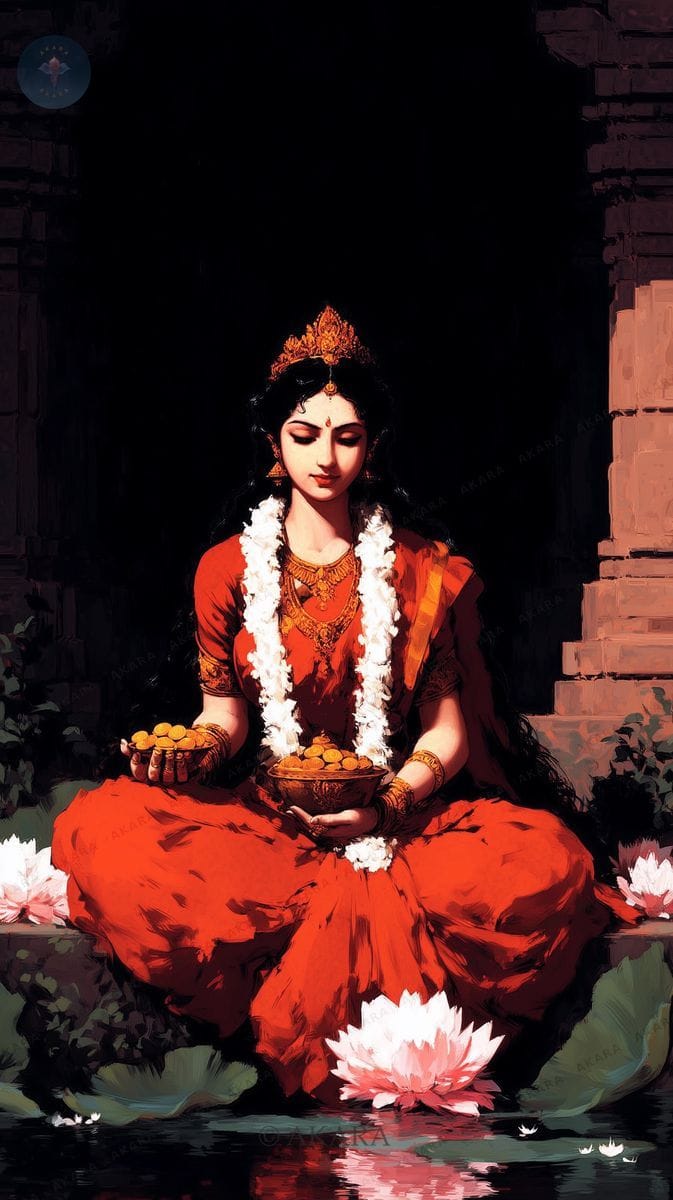
There is one morning in the Hindu year when a king becomes a sweeper, when a deity steps out of his temple to walk among the poor and the princes alike, and when millions of hands reach for the same rope. That morning arrives on the 16th of July this year, when the great Rath Yatra of Puri once again sets the sacred streets of Odisha trembling with the thunder of wooden wheels and the cry of "Jai Jagannath!" For devotees of Sanatana Dharma worldwide, this is not merely a festival — it is a living proof that the divine is inexhaustibly generous, and that the distance between the Lord and his devotee is, at its root, nil.
Jagannath: The Lord Who Belongs to Everyone
The name says everything. Jagannatha — from jagat (universe) and natha (lord) — is the Lord of All That Exists. <cite index="21-25,21-26,21-27">Lord Jagannatha is an incarnation of Lord Vishnu, revered by Vaishnavas across the world. The word Jagannatha means Lord (Natha) of the Universe (Jaga), and he is worshipped together with his brother Balabhadra and his sister Devi Subhadra.</cite> Yet what sets this form of the divine apart from most is its radical, almost startling, democracy. <cite index="24-14,24-15,24-16,24-17,24-18,24-19">What makes Rath Yatra unlike any other festival is its message. In most Hindu temples, the deity remains inside — visible only to those who can enter. But during Rath Yatra, Lord Jagannath comes out. He travels the streets. Anyone — regardless of caste, religion, or background — can stand on Grand Road, see the chariot pass, and receive his darshan (divine sight). That radical openness is at the heart of why this festival moves people so deeply.</cite>
This is the living pulse of bhakti — devotion that knows no gate, no hierarchy, no exclusion. The Akara lens sees in Rath Yatra the fullest flowering of the Sanatana Dharma teaching that the divine pervades all: sarvaṃ khalv idaṃ brahma — all of this, indeed, is Brahman.
The 2026 Rath Yatra: Dates, Chariots, and the Sacred Arc
<cite index="18-2,18-3">According to the Drik Panchang, the Rath Yatra of 2026 will be celebrated on Friday, July 16, in Puri, Odisha. This grand annual festival takes place on the Dwitiya Tithi — the second lunar day — of the Shukla Paksha (bright fortnight) in the month of Ashadha.</cite> <cite index="22-27">The grand return journey, known as Bahuda Yatra 2026, will be celebrated nine days later, on July 24, 2026.</cite> The entire arc — departure, sojourn, and return — spans nine sacred days.
<cite index="23-2">The festival opens a sacred season: Devshayani Ekadashi on July 25 marks the start of Chaturmas, and the holy month of Shravan begins on July 30.</cite> Those who align their spiritual calendar with this moment will find themselves entering the most inward, devotional quarter of the Hindu year carried forward on the momentum of Jagannath's grace.
Three chariots carry three divine presences, and each is a world unto itself:
- <cite index="23-3">Lord Jagannath rides Nandighosa, the tallest chariot, draped in red and yellow.</cite>
- <cite index="23-4">Lord Balabhadra rides Taladhwaja, decorated in red and green or blue.</cite>
- <cite index="23-5">Goddess Subhadra rides Darpadalana (also called Devadalana), in red and black.</cite>
<cite index="23-6">Each chariot is built fresh every year from specific sacred timber, with fixed numbers of wheels, and is never reused.</cite> <cite index="18-10,18-11">The wood is sourced from specific trees like Dhausa and Phassi, carefully chosen and brought from the Dasapalla forests of Odisha; specialised groups of hereditary carpenters, with exclusive rights passed across generations, lead the construction.</cite> <cite index="19-21">The construction of the chariots begins on Akshaya Tritiya</cite> — months before the festival — making the Rath Yatra a creative act of devotion that consumes an entire season.
The Rituals: From Sanctum to Street
The proceedings of the Rath Yatra are a complete grammar of bhakti in action, each rite carrying layers of meaning.
<cite index="23-7">Pahandi is the ceremonial, rhythmic procession that brings the deities from the sanctum to the chariots.</cite> The deities are moved in a distinctive swaying gait, to the sound of conch shells and devotional music, as thousands press forward for a glimpse.
Then comes the moment that has electrified pilgrims for centuries: <cite index="24-28,24-29,24-30,24-31">Chhera Panhara — one of the most powerful moments of Rath Yatra. The Gajapati Maharaja, the King of Puri, considered Lord Jagannath's chief devotee, descends from his palace, approaches the chariots, and sweeps their floors with a golden broom. A king sweeping for God. The message is unmistakable: before the Lord, all are equal.</cite>
Once the sweeping is complete, the pulling begins. <cite index="24-33,24-34,24-35,24-36">Thousands of devotees take hold of the massive ropes — each chariot has several — and begin to pull. The chant of "Jai Jagannath!" rises across the crowd. According to the Skanda Purana, the spiritual merit of pulling the rope even once equals the merit earned from performing a hundred yajnas (fire sacrifices).</cite>
<cite index="18-5,18-6">According to the Skanda Purana itself, among the twelve Yatras of Shree Jagannatha, the Rath Yatra — also called the Shree Gundicha Yatra — is regarded as the most significant. The Bamadev Samhita states that those who witness the four deities seated on the throne of the Gundicha Temple for a week, together with their ancestors, attain a place in the eternal heavenly abode of Vaikuntha.</cite>
A Festival That Belongs to the World
Rath Yatra is not only Puri's treasure. <cite index="24-25,24-26">The fame of Rath Yatra reached the world long before the internet. The 13th-century Venetian traveller Marco Polo wrote of witnessing a massive chariot procession in India — widely considered by historians to be a reference to Rath Yatra in Puri.</cite> <cite index="24-27">In the 16th century, the Vaishnava saint Sri Chaitanya Mahaprabhu made Puri his home and participated in Rath Yatra with such extraordinary devotion that his accounts transformed how the Vaishnava world understood the festival.</cite>
<cite index="18-18">Today, Rath Yatra is celebrated in many cities in India, including Ahmedabad, Kolkata, and Mumbai, as well as in countries with Hindu communities such as the USA, UK, and Canada.</cite> Across the global diaspora, wherever there is a Jagannath temple or a vibrant ISKCON community, the chariots roll. The festival has become, in the truest sense, a gift from Sanatana Dharma to all of humanity.
For those who cannot travel to Puri, <cite index="19-4,19-5">if attending in person, devotees should reach Puri early and find a spot along the Grand Road (Bada Danda). Several television channels and online platforms livestream the event each year.</cite> Akara encourages every seeker to find their own chariot — be it a screen, a local celebration, or simply a quiet prayer — and pull.
The Upanishadic Chariot: A Timeless Teaching
Beyond the spectacle, the Rath Yatra carries a teaching that reverberates across every school of Sanatana Dharma. <cite index="26-1">According to the spiritual significance found in the Katha Upanishad, the festival speaks of the human body as the ratha (chariot) and God as the sarathi (driver), who guides the chariot of the body through the yatra of material existence — the bhavasagara, the ocean of becoming.</cite>
The Katha Upanishad's famous image — ātmānaṃ rathinaṃ viddhi ("Know the Self as the rider of the chariot") — is made flesh every July on the streets of Puri. The wooden chariots become our bodies. The ropes in our hands become our choices. And Lord Jagannath, seated serene and vast-eyed in Nandighosa, is the eternal witness within — the antaryāmin — guiding us home.
<cite index="22-7">In Hindu tradition, this act of moving the deities from their abode to another temple conveys the message that the divine is not confined within temple walls but exists among the people.</cite> This is perhaps Rath Yatra's deepest gift to the modern seeker: a reminder that the sacred is not behind locked gates, not reserved for the initiated or the powerful — it rides, open and luminous, down the middle of the street.
A Reflection for Devotees Everywhere
On this first day of July, as the moon stands in Krishna Pratipada and the Nakshatra Purva Ashadha (whose deity is the waters of the cosmic deep) lends its quality of invincibility to the sky, we at Akara invite you to begin your own inner preparation for the Rath Yatra of July 16. Light a lamp. Chant the name of Jagannath. Contemplate the image of the Lord descending from his golden heights to meet you where you stand.
For that is, in the end, what Sanatana Dharma promises: the divine does not merely wait to be found. It comes, riding on a chariot of wood and faith, down your very street.
A king sweeping for God — before the Lord, all are equal.
शान्ताकारं भुजगशयनं पद्मनाभं सुरेशम् śāntākāraṃ bhujagaśayanaṃ padmanābhaṃ sureśam
The peaceful one resting on the serpent, lotus-naveled lord of the gods. Vishnu in his element — holding the universe together while looking effortlessly serene.
Questions & answers
When is Jagannath Rath Yatra in 2026?
Jagannath Rath Yatra 2026 falls on Thursday, July 16, 2026, on the Dwitiya Tithi of the Shukla Paksha (bright fortnight) of the Hindu month of Ashadha. The return journey, Bahuda Yatra, is on July 24, 2026.
What are the three chariots of the Rath Yatra called?
Lord Jagannath rides Nandighosa (red and yellow), Lord Balabhadra rides Taladhwaja (red and green or blue), and Goddess Subhadra rides Darpadalana or Devadalana (red and black). Each chariot is freshly constructed every year from sacred timber and is never reused.
What is the spiritual significance of pulling the chariot rope?
According to the Skanda Purana, pulling the chariot rope even once earns spiritual merit equal to performing a hundred yajnas (fire sacrifices). It is considered an act of profound devotion that is believed to cleanse sins and draw the devotee closer to the divine.
What is the Chhera Panhara ritual at Rath Yatra?
Chhera Panhara (also spelled Chhera Pahara) is the ritual in which the Gajapati Maharaja — the King of Puri — sweeps the floors of each chariot with a golden broom before the procession begins. This act symbolises that all are equal before Lord Jagannath, even a king.
Can non-Hindus participate in Rath Yatra?
Yes. While non-Hindus are not permitted inside the Jagannath Temple at Puri on regular days, anyone — regardless of faith or background — is welcome to witness the chariot procession on Grand Road and even participate in pulling the chariots during Rath Yatra.