Krishna Saptami & Uttara Bhadrapada: A Day of Depth and Stillness
The panchang for today combines the reflective quality of Saptami with the profound stillness of Uttara Bhadrapada — a confluence that rewards depth over haste.
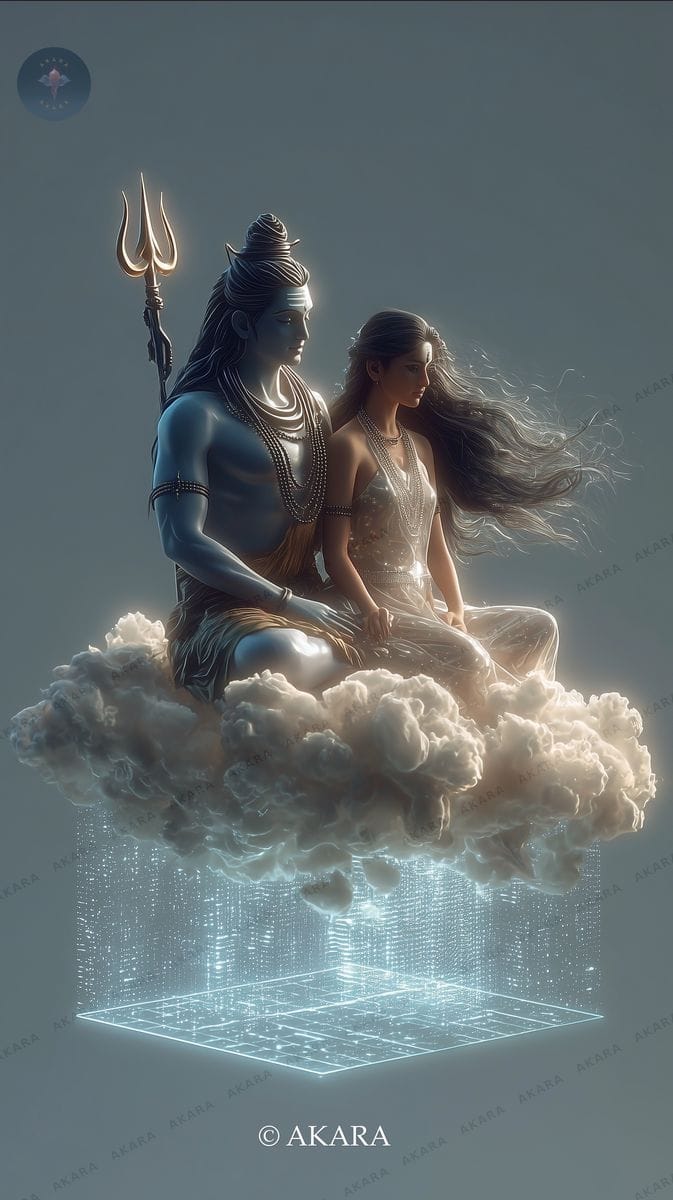
Each dawn in the Sanatana tradition arrives not as a blank slate but as a living configuration — a convergence of tithi, nakshatra, yoga, and planetary placement that the rishis observed with extraordinary care. Today's panchang speaks in a quiet but insistent voice: it is a day that rewards those who go deep rather than wide, who choose steadiness over spectacle, and who let devotion anchor the hours rather than anxiety drive them.
Reading the Panchang: What These Qualities Mean
The Vedic panchang (पञ्चाङ्ग, pañcāṅga, literally 'five limbs') is not a horoscope in the popular sense. It is a precise calendrical and astronomical record — the tithi (lunar day), vara (weekday), nakshatra (lunar mansion), yoga (luni-solar combination), and karana (half-tithi) — that traditional communities have consulted for millennia to align action with natural rhythms. Think of it as a tide-chart for time itself. This is traditional guidance, not personal prediction; the panchang sets the colour and texture of the day, while your own karma, intention, and practice remain the decisive factors.
Krishna Saptami: The Seventh Tithi of the Dark Fortnight
Saptami (सप्तमी, saptamī) is the seventh lunar day. In the Krishna Paksha — the waning fortnight — the moon has already moved past full and is drawing inward. Classically, Saptami is associated with Surya, the Sun, and is considered a Purna tithi (one of the 'complete' tithis), which lends it a measure of auspiciousness even in the darker half of the month. The Muhurta Chintamani and other jyotish texts note that Saptami is generally favourable for activities related to government, authority, and works of public benefit. It is also considered good for medical treatments and for commencing journeys with clear purpose.
In the Krishna Paksha, however, there is also an invitation to pare away the non-essential. The waning moon in Sanatana Dharma is associated with apara (the receding), a time when the outward tide of energy turns inward. Rituals of purification, study, and quiet practice tend to yield more fruit than grand new beginnings. This is not an inauspicious quality — it is simply the moon's counsel: consolidate, refine, go deeper.
Uttara Bhadrapada: The Nakshatra of the Serpent's Depth
Of all twenty-seven nakshatras in the Vedic system, Uttara Bhadrapada (उत्तर भाद्रपद, Uttara Bhādrapadā) — the twenty-sixth — is among the most philosophically rich. Spanning 3°20' to 16°40' of Meena (Pisces), it is ruled by Saturn (Shani) and presided over by Ahirbudhnya, the serpent of the cosmic deep. That name alone is instructive: ahir (serpent) + budhnya (of the depths, of the foundation). This nakshatra points to what lies beneath the surface — the subconscious, the ancestral, the oceanic dimensions of consciousness.
The symbol is the back legs of a funeral cot, suggesting transition and the crossing of thresholds. This is not morbid; it is an acknowledgement that wisdom arises at the edges of ordinary experience, in contemplation of what is truly permanent. Uttara Bhadrapada natives and days carry qualities of deep calm, spiritual insight, philanthropic concern, and an ability to sustain long-term effort. Saturn's rulership here is not restrictive so much as stabilising — it asks that we do the work without requiring immediate reward.
With today's moon in Meena (Pisces), the emotional atmosphere is naturally compassionate, somewhat porous, and inclined toward the interior life. This is a day when intuition speaks more clearly than logic, and when acts of quiet service carry unusual weight.
Yoga Shobhana: A Grace in the Weave
The yoga for today is Shobhana (शोभन, śobhana), meaning 'radiant' or 'auspicious.' In panchang reckoning, yoga is calculated from the combined longitudes of the sun and moon, and Shobhana is counted among the positive yogas. Its presence today is a quiet reassurance — whatever the day's introspective quality, there is a gentle luminosity available. Tasks undertaken with sincerity, relationships tended with care, and prayers offered with attention are all supported.
What the Day Traditionally Favours
Drawing on the classical guidance of jyotish texts and the combined qualities of today's panchang:
- Meditation, japa, and prayer — Uttara Bhadrapada's depth and the waning moon together make the interior work particularly potent. Even fifteen minutes of seated stillness will feel qualitatively different today.
- Study of scripture or philosophy — Saturn's grounding influence and the Pisces moon's receptivity make this an excellent day for svadhyaya (self-study). Read a passage of the Bhagavata, a verse of the Gita, or sit with a teaching that has long puzzled you.
- Acts of service and compassion — Ahirbudhnya governs the wellbeing of communities and the sustaining of life from below. Feeding the hungry, visiting the unwell, or simply offering your full attention to someone who needs it aligns beautifully with today's energy.
- Long-term planning — The deep, sustained quality of this nakshatra favours thinking about projects with five- or ten-year horizons rather than this afternoon's to-do list.
What calls for patience: Impulsive financial decisions, confrontational conversations, or launching highly public initiatives are better timed for brighter, more outward-facing days. The day is not inauspicious — it simply does not reward those who rush its surface.
A Reflective Practice for Today
In the spirit of Uttara Bhadrapada's depth, try this brief practice at dawn or dusk:
Find a quiet seat. Close your eyes and bring your awareness to the base of the spine — the muladhara, the foundation. Breathe slowly seven times (honouring the Saptami tithi). On each exhale, mentally release one anxiety or one attachment that has been occupying your thoughts. On each inhale, invite the quality of shanti — peace, stillness, foundation. After the seven breaths, sit in silence for a few minutes. Notice what arises without chasing it. Offer whatever you find — joy, grief, confusion, gratitude — to the divine presence you most naturally relate to.
This is bhakti in its simplest and perhaps most honest form: not performance, but presence.
Closing Reflection
The panchang is one of Sanatana Dharma's great practical gifts — a daily reminder that we do not live in an undifferentiated flow of clock-minutes but within a cosmos that is rhythmic, intelligent, and responsive to attention. Krishna Saptami under Uttara Bhadrapada is not asking you to retreat from the world. It is asking you to meet the world from a deeper place within yourself. Sun in Mithuna keeps the mind active and communicative; let that mental energy be guided today by the heart's quieter wisdom. Do your work, keep your appointments, fulfil your duties — and underneath all of it, let there be stillness, like the serpent resting at the floor of the ocean, sustaining everything from below.
The serpent rests at the floor of the ocean, sustaining everything from below — this is the quiet teaching of Uttara Bhadrapada.
सहस्रं ते शतं ते अयुतं ते मध्ये वत्सं sahasraṃ te śataṃ te ayutaṃ te madhye vatsaṃ
Among thousands, hundreds, countless beings — You remain the beloved one
Questions & answers
What is Uttara Bhadrapada nakshatra and what are its key qualities?
Uttara Bhadrapada is the twenty-sixth nakshatra in Vedic astrology, spanning Meena (Pisces). Ruled by Saturn and presided over by the deity Ahirbudhnya (the cosmic serpent of the deep), it is associated with profound calm, sustained effort, spiritual insight, and compassionate service. Days and people governed by this nakshatra tend toward depth over surface brilliance.
Is Krishna Saptami considered auspicious in the Vedic tradition?
Yes, Saptami (the seventh tithi) is classified as a Purna tithi in jyotish and carries a degree of auspiciousness even in the waning (Krishna Paksha) fortnight. It is traditionally favourable for medical treatments, purposeful travel, and works of public benefit. The waning moon simultaneously invites consolidation and inner work rather than bold new beginnings.
What does 'Moon in Meena' mean for the emotional tone of the day?
Meena (Pisces) is the final sign of the zodiac — watery, compassionate, intuitive, and spiritually inclined. When the moon transits Meena, the general emotional atmosphere tends toward empathy, introspection, and sensitivity. Imagination and devotion flow more easily; rigid logic or aggressive ambition may feel out of place.
What is Yoga Shobhana in the panchang?
In Vedic panchang, 'yoga' is one of the five limbs calculated from the combined longitudes of the sun and moon. Shobhana (meaning 'radiant' or 'auspicious') is among the positive yogas, lending a gentle luminosity to tasks undertaken with sincerity and care on this day.
Is this daily panchang guidance the same as a personal horoscope or rashifal?
No. The daily panchang describes the universal qualities of the day — its tithi, nakshatra, yoga, and planetary positions — and how those traditionally affect activities and energies for everyone. A personal horoscope or rashifal is calculated from an individual's birth chart and is specific to them. Panchang guidance sets the tone of the day; personal jyotish interprets how that tone interacts with your unique karma and planetary placements.