Devshayani Ekadashi 2026: The Day Lord Vishnu Enters Cosmic Sleep
On this Ashadha Shukla Ekadashi, Lord Vishnu reclines into Yoga Nidra — and a river of barefoot pilgrims reaches Pandharpur singing His name.
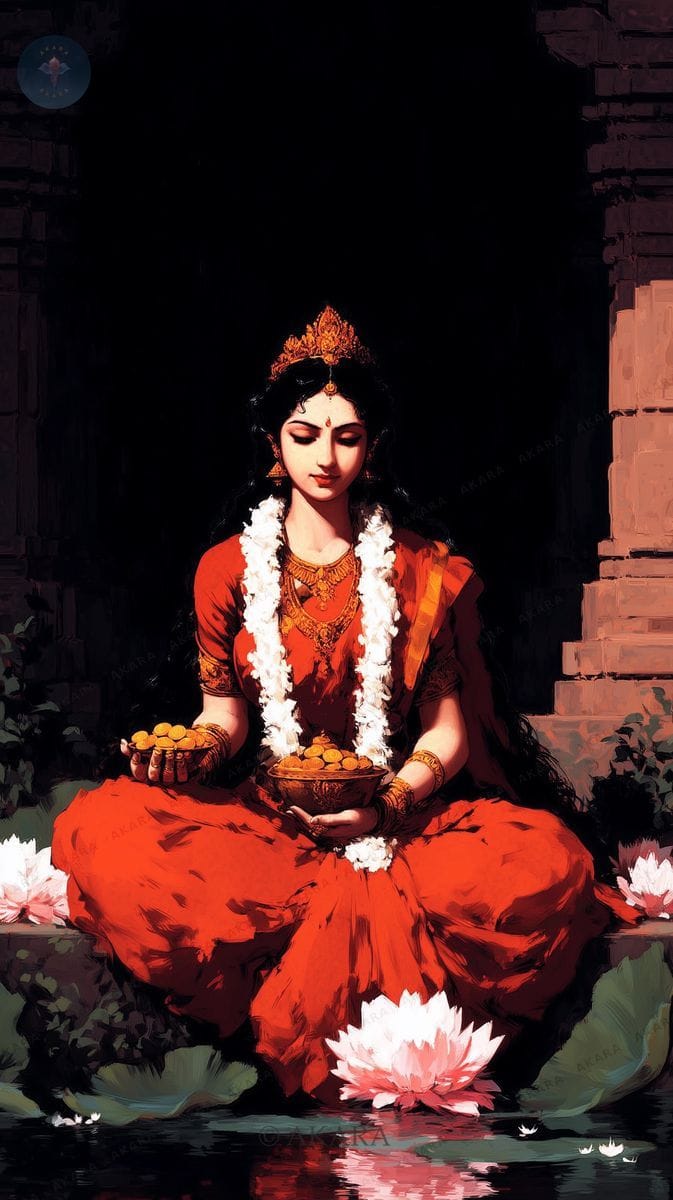
Today, Saturday 25 July 2026, the lunar calendar opens one of its most luminous doors. It is Devshayani Ekadashi — the Shukla Paksha Ekadashi of the month of Ashadha — the day on which Narayan, the preserver who holds the cosmos in balance, is said to draw the universe close and enter Yoga Nidra, the deep mystic sleep upon the serpent Shesha in the Ocean of Milk. For devotees across Sanatana Dharma, this is not merely a fast. It is the gateway to Chaturmasya, four months of heightened tapas, bhakti, and inward turning. The tithi began at 9:13 AM on Friday 24 July and runs through 11:34 AM today, making this Saturday the correct observance day. Parana — the breaking of the fast — falls tomorrow morning between 5:58 AM and 8:36 AM.
Ekadashi: The Eleventh Lunar Day and Its Meaning
The word Ekadashi (एकादशी) is Sanskrit, from eka (one) and daśa (ten) — literally, "the eleventh." It names the eleventh tithi (lunar day) of each fortnight, occurring twice every lunar month: once in the waxing Shukla Paksha and once in the waning Krishna Paksha. That yields twenty-four Ekadashis in an ordinary year — and in 2026, owing to an Adhika Maas (intercalary month), there are twenty-four observed days in the standard calendar, each carrying its own name, story, and grace.
Every Ekadashi is dedicated to Lord Vishnu, the Palanhaar — the sustainer of dharmic order. But today's Ekadashi stands apart. Devshayani Ekadashi, also known as Ashadhi Ekadashi, Hari Shayani Ekadashi, Padma Ekadashi, and — in Andhra Pradesh and Telangana — Tholi Ekadashi, is among the most sacred in the entire Hindu calendar. It marks the precise moment when Shri Hari enters His annual cosmic repose, and with it, the beginning of Chaturmasya — the four holy months that close on Prabodhini Ekadashi around November.
The Scriptural and Mythic Foundation
The origins of Ekadashi observance are rooted in the Puranas, most fully in the Padma Purana, where Lord Krishna narrates the chronicles of every Ekadashi to King Yudhishthira. The mythic origin of the vrat itself is profound: Ekadashi Devi, a divine energy (shakti) born from Lord Vishnu Himself, arose to destroy the demon Mura who had overrun the heavens. When Lord Vishnu blessed her for this act of cosmic protection, He declared that whoever fasts and honours this tithi would be freed of sin and drawn closer to liberation. The Padma Purana records that since that moment, Ekadashi Devi herself presides over this day — making the fast not merely a discipline of the body, but a meeting with a living divine force.
For today's specific Ekadashi, the Vrat Katha of Devshayani carries an equally instructive story. When the kingdom of King Mandhata was gripped by severe drought and famine, the sage Angira Rishi guided the king to observe Devshayani Ekadashi with full sincerity. The rains came. The people were freed. The teaching embedded in this legend is characteristic of Sanatana Dharma: righteous restraint — samyama — and surrender to the Preserver bring renewal, not just spiritually but in the fabric of the world.
Yoga Nidra and the Meaning of Chaturmasya
At the centre of today's observance is one of Hinduism's most beautiful cosmological images. On Devshayani Ekadashi, Lord Vishnu — Narayana, the one who moves upon the waters, the Anantashayana — reclines upon the thousand-headed serpent Adi Shesha in the Kshira Sagara, the divine Ocean of Milk, and enters Yoga Nidra (योग निद्रा), a state of supremely aware cosmic rest. He will remain in this repose for four months, awakening on Prabodhini Ekadashi in Kartika. The period in between is Chaturmasya (chatur = four, masa = months).
Through this divine sleep, tradition says, He quietly protects and sustains the world — reminding us that sometimes looking after things requires stillness rather than action. The Chaturmasya period coincides with India's monsoon season, when ascetics and wandering sadhus traditionally ceased travel and settled in one place for months of teaching, study, and tapas. Marriages, mundan ceremonies, and new ventures are customarily avoided during these four months, as the presiding Devas are understood to be in a state of inward rest.
A sankalpa — a vow or spiritual commitment — made on Devshayani Ekadashi is considered especially powerful, believed to grow and deepen through the four months that follow. This makes today an auspicious day not only to fast, but to begin a practice: a daily chant, a scripture reading, a discipline of silence.
How to Observe the Vrat: From Dashami to Parana
The Ekadashi vrat is a three-day observance in its fullness. It begins on Dashami (the tenth day) with a single, simple meal taken in the afternoon to ensure the stomach is clear before the fast. On Ekadashi itself — today — the fast is kept strictly from sunrise. The Ekadashi fasting tradition prohibits all grains, cereals, pulses, and beans. Devotees choose their level of observance according to their constitution and commitment: complete nirjala (without water), water alone, fruits and milk, or a single sattvic meal of phalahar (fruit-based foods).
The ritual sequence for today is as follows:
- Early bath and sankalpa: Rise before sunrise, bathe, and take a formal vow of observance in the name of Lord Vishnu.
- Puja: Offer tulsi leaves (sacred to Vishnu and indispensable on every Ekadashi), lotus flowers, yellow garments or yellow-coloured offerings, incense, and a lamp. Today's observance places special emphasis on tulsi, lotus, and yellow — the colours and fragrance associated with Devshayani Ekadashi.
- Mantra and Vishnu Sahasranama: The great eight-syllable mantra Om Namo Narayanaya (ॐ नमो नारायणाय) — "I bow to Narayana" — is the heart-mantra of this day. Devotees recite it in japa (silent repetition), ideally on a tulsi mala. The Vishnu Sahasranama, the thousand names of Lord Vishnu, can also be recited or heard.
- Vrat Katha: Listen to or read the sacred story of Devshayani Ekadashi, as described in the Padma Purana.
- Night vigil: Keeping a jagaran — staying awake through the night in bhajan, prayer, and quiet meditation — is the highest form of observance. The night belongs entirely to Hari.
- Parana on Dwadashi: The fast is broken tomorrow morning, Sunday 26 July, between 5:58 AM and 8:36 AM, after sunrise, within the Dwadashi tithi. Breaking the fast outside this window is considered irregular. Offer the first morsel to Lord Vishnu as prasad before partaking.
Pandharpur and the Living River of Bhakti
No account of Devshayani Ekadashi is complete without Pandharpur. In Maharashtra, this tithi is known simply as Ashadhi Ekadashi, and it is the culmination of the Pandharpur Wari — one of India's largest living pilgrimages, sustained for over seven hundred years. Lakhs of Warkaris walk for weeks behind the palkhis (palanquins) carrying the sandals of saints Dnyaneshwar and Tukaram, chanting Jai Hari Vitthal through the monsoon rain, barefoot on muddy roads, arriving today at the Vitthal-Rukmini temple on the banks of the Chandrabhaga River. Lord Vitthal — Vithoba, Panduranga — is the Warkaris' name for the same Lord Vishnu whose cosmic sleep begins today. The walk itself is the devotion; reaching Vitthal on Ashadhi is its reward.
Across Karnataka, Andhra Pradesh, Telangana, Gujarat, and North India, Vishnu temples hold special puja and bhajan programmes. In Gujarat, the Vishnu Sahasranama is recited communally. In the north, the day is kept as a pure Vishnu fast marking the solemn onset of Chaturmasya.
Why This Day Matters Now
In a world that valorises constant productivity, Ekadashi offers a counter-rhythm: a pause. A lightening. A turning toward what endures. Ekadashi tithi is regarded as one of the most spiritually elevating days in the Hindu lunar calendar precisely because it works on every level — body, mind, and soul. The fast rests the digestive system; the abstinence from grains reduces tamas (heaviness); the night vigil sharpens sattva (clarity). The remembrance of Narayana — smarana, the simplest and most portable form of bhakti — re-orients the mind toward the permanent.
Today's panchang also carries the nakshatra Jyeshtha, yoga Brahma, and the sun placed in Karka (Cancer) — a configuration that deepens the mood of inwardness and surrender. The great Vaishnavas have always said that there is no easier path to the grace of Lord Vishnu than the sincere observance of Ekadashi. The Padma Purana places its merit above pilgrimage, charity, and austerity combined. But it is not the merit that calls the sincere devotee — it is simply the love of Hari, the delight of His name on the tongue, the peace that settles when the world is given, for one day, a little rest.
Om Namo Narayanaya — I bow to the one who is the home of all beings. Eight syllables. A universe.
May today's Devshayani Ekadashi be a true doorway: into stillness, into devotion, and into the luminous four months that follow. Jai Hari.
Om Namo Narayanaya — I bow to the one who is the home of all beings. Eight syllables. A universe.
शान्ताकारं भुजगशयनं पद्मनाभं सुरेशम् śāntākāraṃ bhujagaśayanaṃ padmanābhaṃ sureśam
The peaceful one resting on the serpent, lotus-naveled lord of the gods. Vishnu in his element — holding the universe together while looking effortlessly serene.
Questions & answers
When exactly is Devshayani Ekadashi in 2026, and what are the tithi timings?
Devshayani Ekadashi 2026 is observed on Saturday, 25 July 2026. The Ekadashi tithi begins at 9:13 AM on Friday 24 July and ends at 11:34 AM on Saturday 25 July. The fast is broken (Parana) on Dwadashi morning — Sunday 26 July — between approximately 5:58 AM and 8:36 AM, after sunrise and within the Dwadashi window.
What is the difference between Devshayani Ekadashi and Ashadhi Ekadashi?
They are the same tithi with different regional names. 'Devshayani' (Dev = god, Shayan = sleep) refers to the cosmic sleep of Lord Vishnu that begins on this day. 'Ashadhi' simply identifies it as falling in the month of Ashadha. In Maharashtra it is celebrated as Ashadhi Ekadashi, the culmination of the Pandharpur Wari pilgrimage. Other names include Hari Shayani Ekadashi, Padma Ekadashi, and — in Andhra Pradesh and Telangana — Tholi Ekadashi.
What foods are permitted and forbidden during the Ekadashi vrat?
All grains, cereals, pulses, beans, and most lentils are strictly forbidden. Leafy vegetables are also traditionally avoided on this day. Permitted foods include fruits, milk, rock salt, nuts (almonds, pistachios), and certain root vegetables. Strictly observant devotees fast without water (Nirjala). Others may take fruits and milk. Always adapt to your constitution and health.
What is Yoga Nidra and why does Lord Vishnu enter it on this day?
Yoga Nidra (yogic sleep) is a supremely conscious state of rest — neither full waking nor ordinary sleep. According to Puranic cosmology, Lord Vishnu reclines on the serpent Adi Shesha in the Kshira Sagara (Ocean of Milk) for four months from Devshayani Ekadashi to Prabodhini Ekadashi. This Chaturmasya period is understood not as absence but as a different mode of divine sustenance — stillness as protection. The tradition encourages devotees to mirror this inwardness through increased tapas, fasting, and reduced worldly activity.
What is the most important mantra to chant on Ekadashi?
The eight-syllable Ashtakshara mantra Om Namo Narayanaya (ॐ नमो नारायणाय) — 'I bow to Narayana' — is the central mantra of Ekadashi and is especially potent today. The Vishnu Sahasranama (thousand names of Lord Vishnu) and Om Namo Bhagavate Vasudevaya are also widely recited. Chanting should ideally be done on a tulsi mala, silently or aloud, throughout the day and during the night vigil.