The Four Vedas, Simply Explained: A Seeker's Guide
From the Rigveda's ancient hymns to the Atharvaveda's earthly wisdom, the four Vedas are not museum pieces — they are the living breath of Sanatana Dharma.
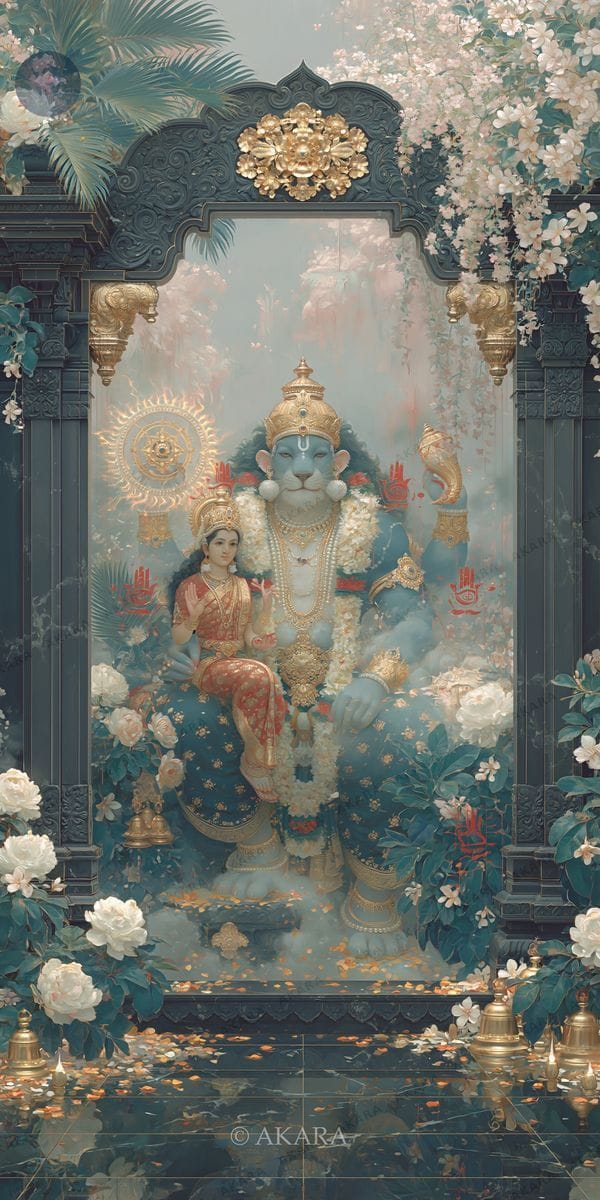
Long before ink met parchment, a body of sacred knowledge pulsed through the lips and memory of sages in the forests of ancient India. Called the Vedas — from the Sanskrit root vid, meaning 'to know' — these four great scriptures form the bedrock of Sanatana Dharma, the eternal way of being that Hindus across millennia have walked. Today, as the Sun moves through Karka and seekers across the world reach for something real and rooted, the Vedas stand as steady as the mountains: not relics, but living rivers of light.
What Is a Veda? The Meaning Behind the Word
The word Veda (वेद) comes from the Sanskrit root vid — to know, to perceive, to understand. The Vedas are therefore not merely books; they are śruti (श्रुति), meaning 'that which is heard.' Tradition holds that the great rishis (sages) did not compose the Vedas so much as receive them — the sacred syllables arose in deep states of meditation and were passed down through unbroken oral lineages called paramparā.
The body of Vedic knowledge is collectively called Caturveda (चतुर्वेद) — the four Vedas. Together they comprise thousands of hymns, chants, ritual formulas, and philosophical dialogues that span everything from cosmology to medicine, from the art of fire-worship to the nature of the Self. The ancient tradition teaches that Veda Vyāsa, the great sage, organised this vast ocean of revealed knowledge into four distinct collections so that humankind could approach it with some structure.
---
The Rigveda — The Song of Praise
The Rigveda (ऋग्वेद, Ṛgveda) is the oldest and most celebrated of the four. Ṛg means verse, hymn, or praise — specifically, a verse meant to be recited aloud. The Rigveda contains 10,552 mantras organised into ten books called maṇḍalas (circles), and is considered one of the oldest surviving texts in any Indo-European language.
Its hymns are primarily addressed to the Vedic deities — Agni (fire), Indra (the sovereign of heaven), Sūrya (the sun), Uṣas (the dawn), and many others. These are not mere nature-worship; they are windows into cosmic principles. The famous Puruṣa Sūkta (Rigveda 10.90) describes how the universe itself arose from a cosmic sacrifice. The Nāsadīya Sūkta (10.129) asks questions about creation that philosophers are still unpacking today.
*
शुक्लाम्बरधरं विष्णुं शशिवर्णं चतुर्भुजम्। प्रसन्नवदनं ध्यायेत् सर्वविघ्नोपशान्तये॥ Shuklambara-dharam Vishnum shashi-varnam chatur-bhujam. Prasanna-vadanam dhyayet sarva-vighno-pasantaye.
Meditate on Vishnu, clad in white, of moon-like complexion, with four arms and a serene face — for the removal of all obstacles.