Diya, Dhoop, and the Meaning of Light in Puja
From the clay lamp to the rising incense, every element of Hindu worship carries a profound language of light — one the heart already knows.
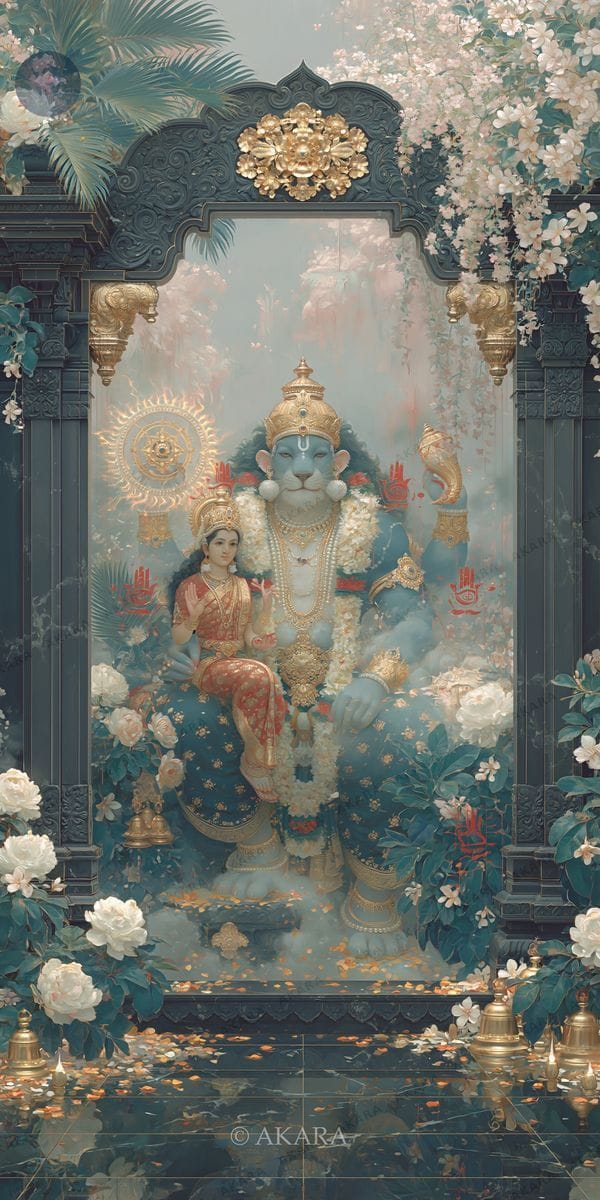
On any morning in India — and in homes across the world — a small hand reaches toward a clay lamp, touches a flame to the wick, and something shifts. The room is the same, the hour is the same, but the moment a diya is lit, the mundane gives way to something older and quieter. This is not superstition, and it is not mere ritual habit. In Sanatana Dharma, the lighting of a lamp is a precise, philosophically grounded act — a conversation with the divine conducted in the language of light itself.
The Diya: A Universe in Clay and Oil
The word diya (also deepa or deepak, from the Sanskrit dīpa, meaning 'that which illumines') is one of the oldest liturgical objects in human history. Its form is almost absurdly simple: a pinch of clay shaped into a shallow cup, a cotton wick, a measure of oil or ghee. And yet the Agni Purāṇa and the Skanda Purāṇa both devote entire sections to the theology of the lamp, specifying the materials, the wicks, the oils, and even the direction the flame should face for different intentions.
In Vedic cosmology, Agni — the sacred fire — is not merely a physical phenomenon. It is a devatā, a living presence, the first of the five great elements (pañca mahābhūta) to emerge as a perceptible force. Fire transforms: it converts raw grain to food, raw ore to metal, a mortal body back to the elements. In the home shrine, the dīpa carries this same transformative energy in miniature. To light it is to invite Agni himself into the act of worship.
Ghee (ghṛta) is the preferred fuel in temple and Vedic ritual precisely because it is itself a purified substance — milk that has passed through transformation. When ghee burns, the ancient texts say, the flame rises ūrdhvam, upward, which mirrors the aspiration of the worshipper's consciousness moving toward the divine. Sesame oil, mustard oil, and coconut oil each carry their own traditional associations and are used in regional and deity-specific ways, but the principle remains: the fuel matters because purity of offering reflects sincerity of devotion.
The wick is called varti (from the Sanskrit root vṛt, to turn or to exist). Cotton wicks are traditional; some traditions use twisted turmeric-dyed threads. The number of wicks carries meaning — a single wick (eka-mukha dīpa) for general worship, five wicks (pañca-mukha) for major festivals and mahā-ārati, representing the five prāṇas or the five elements.
Dhoop: The Offering That Rises
If the dīpa speaks of light, dhoop (Sanskrit: dhūpa, meaning fragrant smoke or incense) speaks of breath. When a stick of dhoop or a coal of resin incense is lit, the smoke rises in spirals — an ancient symbol of prayer ascending. The Ṛgveda already knows this metaphor; later, the Viṣṇu Purāṇa and Śiva Purāṇa formalize dhūpa as one of the ṣoḍaśopacāra — the sixteen traditional offerings presented to a deity during a full pūjā.
Scent is the sense most directly linked to memory and emotion. The smell of loban (benzoin resin), guggul (Commiphora wightii), sandalwood, or sambrani (Indian frankincense) does something neuroscience is only beginning to articulate: it anchors the worshipper in the present moment, bypassing the restless verbal mind and opening a more direct channel of attention. This is not incidental to worship — it is by design. Dhūpa purifies the atmosphere (many traditional resins have documented antimicrobial properties), signals to the deity that the devotee arrives with a fragrant heart, and stills the senses that need to be stilled before genuine bhakti can arise.
Aarti: Light as Living Dialogue
Āratī (also spelled aarthi or ārati, from Sanskrit ā-rātri, associated with the dispelling of darkness in the night, or more precisely from nīrājana, 'that which illuminates completely') is the culminating act of most Hindu worship services. A lamp — often the pañca-mukha dīpa mentioned above — is moved in circular, clockwise motions (pradakṣiṇā) before the image or presence of the deity, while the congregation sings praises.
Why circular? Because the circle (maṇḍala) has no beginning and no end — it represents the eternal, the unbroken, the complete. To wave a lamp in a circle before the divine is to say: you are without limit, without edge; I circumambulate your wholeness. After the lamp is waved, devotees cup their hands over the flame and bring the warmth to their eyes and forehead — receiving the divine light into their own perception, quite literally.
The aarti significance goes further. In many temples, the moment of āratī is the moment the deity is considered most fully present — sākṣāt, directly perceptible. This is why the āratī bell rings so insistently: it calls the wandering mind home, right now, do not miss this moment of grace.
Why Light a Lamp? The Philosophical Root
The Bṛhadāraṇyaka Upaniṣad contains the famous prayer: Tamaso mā jyotir gamaya — 'Lead me from darkness to light.' This is not a prayer about candles. It is a prayer about avidyā (ignorance) giving way to jñāna (knowledge), about the individual soul (jīvātman) recognising its identity with the universal (Paramātman). The lamp on the altar is, therefore, a daily embodied reminder of this deepest aspiration.
The question 'why light lamp in puja?' has a practical answer (to see the deity, to mark the sacred time) and a philosophical one (to enact, in miniature, the central movement of all spiritual life). Both answers are true. Sanatana Dharma does not separate the ritual from the metaphysical — each correct outer action, performed with awareness, reshapes the inner landscape.
In bhakti traditions especially, the dīpa becomes an object of tender love. Poets like Kabir, Mirabai, and Tukaram wrote of the deepak as the self burning with longing for the beloved divine. The flame does not grieve that it consumes itself; it only gives light. This is the ideal of the bhakta — the devotee.
Practical Guidance: Lighting Your Own Lamp
For seekers who wish to bring this practice home, a few time-honoured guidelines:
- Time: The sandhyā moments — dawn, noon, and dusk — are considered most auspicious. A lamp lit at these junctions aligns personal worship with the rhythm of the cosmos.
- Direction: The lamp is traditionally placed facing east (for morning) or northeast (the Īśāna corner, associated with divine grace). The worshipper faces east or north.
- Oil or ghee: Cow's ghee is considered the highest offering. Pure sesame oil is used in Saturn-related prayers and ancestor rites. Coconut oil is common in South Indian traditions.
- Never blow out with the mouth: The breath is considered impure in this context; extinguish the flame gently by fanning or using a snuffer. Some lamps, like the nirantara dīpa (eternal lamp), are kept burning continuously as a living presence.
- Intention: Light the lamp with the quiet internal acknowledgment — I am here, you are here, let there be light between us.
A Closing Reflection
At Akara, when we design devotional art or compose the sounds that accompany worship, we often return to the image of the dīpa. It is perhaps the most democratic of sacred objects — it costs almost nothing, it needs no priest to operate, and it has been understood by grandmothers and philosophers alike across five thousand years. The flame does not ask about your lineage or your learning. It simply burns, and in burning, illumines.
On this Shukla Dwitiya under the nakshatra Purva Phalguni, as the Sun moves through Karka bringing its inward, nurturing quality to the world, there is perhaps no better day to light one small lamp and sit quietly in its warmth. The outer flame, the old teachers tell us, is a mirror. Look long enough, and you will recognise what you are looking at.
The flame does not grieve that it consumes itself; it only gives light. This is the ideal of the bhakta — the devotee.
शुक्लाम्बरधरं विष्णुं शशिवर्णं चतुर्भुजम्। प्रसन्नवदनं ध्यायेत् सर्वविघ्नोपशान्तये॥ Shuklambara-dharam Vishnum shashi-varnam chatur-bhujam. Prasanna-vadanam dhyayet sarva-vighno-pasantaye.
Meditate on Vishnu, clad in white, of moon-like complexion, with four arms and a serene face — for the removal of all obstacles.
Questions & answers
What does the word 'diya' or 'deepa' mean in Sanskrit?
The word dīpa (Sanskrit) comes from the root dīp, meaning 'to shine or illuminate.' A diya is literally 'that which illumines' — both the physical space and, symbolically, the darkness of ignorance within the worshipper.
Why is ghee preferred over oil in Vedic lamp rituals?
Ghee (ghṛta) is a purified, transformed substance — milk refined through heat. Because it has already undergone transformation, it is considered a supremely pure offering. Texts also note that ghee flames rise upward (ūrdhvam), symbolising consciousness aspiring toward the divine.
What is the significance of moving the lamp in circles during aarti?
The circular motion (pradakṣiṇā) represents the infinite, borderless nature of the divine. The circle has no beginning or end. Waving the lamp in this way before the deity is an act of acknowledging divine completeness, while the light itself represents the grace being offered to and received by the devotee.
Why should you never blow out a puja lamp with your mouth?
In traditional practice, the breath (especially exhaled breath) is considered ritually impure in the sacred space of puja. Blowing out the lamp with the mouth is therefore avoided out of respect for both Agni (the fire deity) and the sanctity of the worship space. A gentle fan or snuffer is used instead.
What is dhoop, and why is it used in Hindu worship?
Dhoop (Sanskrit: dhūpa) refers to fragrant incense — resins, herbs, or powders burned to release aromatic smoke. It is one of the sixteen traditional offerings (ṣoḍaśopacāra) in a full pūjā. The rising smoke symbolises prayer ascending to the divine, the fragrance purifies the atmosphere, and the scent helps anchor the worshipper's attention in the present moment of devotion.