Onam 2026: When a King Returns and a God Bows
Four days after Thiruvonam, the fragrance of pookalam still lingers — because the truths Onam carries are not seasonal; they are eternal.
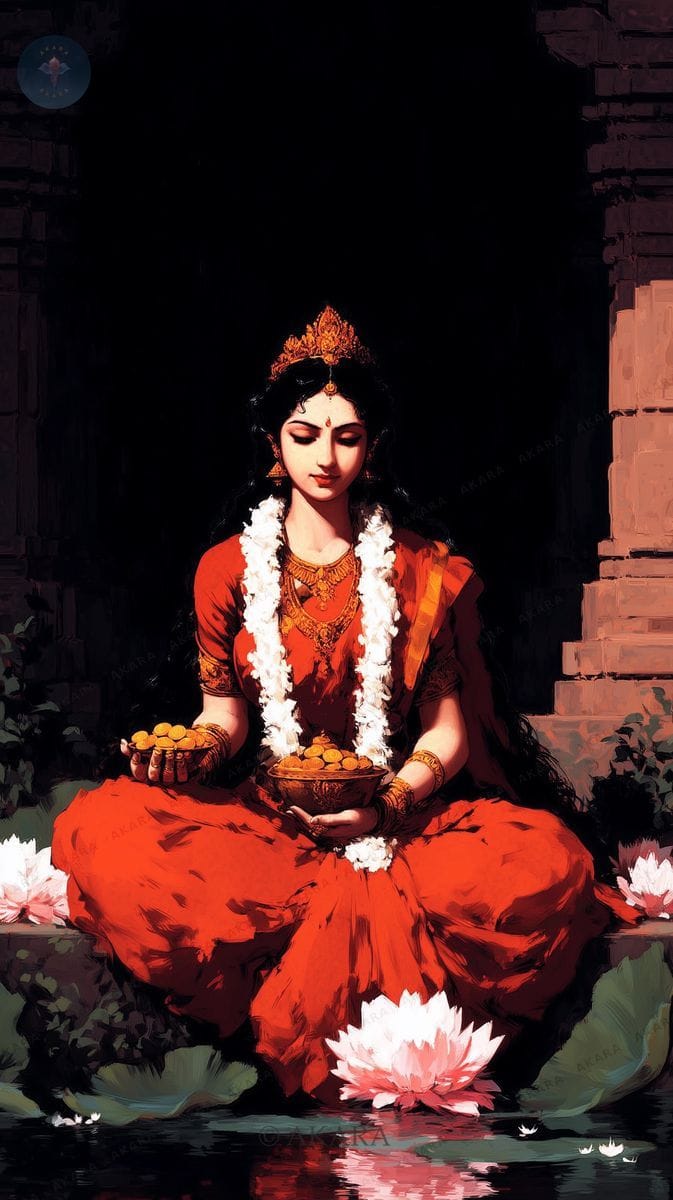
On the morning of August 26, 2026 — Thiruvonam — millions of homes across Kerala and the global Malayali diaspora dressed their thresholds in concentric rings of marigold and chrysanthemum. Banana-leaf spreads groaned with twenty-six courses of the Onasadya. Snake-boat drums echoed on backwater channels. And somewhere in the mythic geography of Patalaloka, the most celebrated king in South Indian memory was believed, once again, to have risen and walked northward toward his people. His name was Mahabali. And the One who sent him away was the very One he had adored.
The Festival That Just Unfolded
<cite index="22-2,22-3,22-4">Onam 2026 was celebrated across Kerala on Wednesday, August 26, with Thiruvonam as its most important day. Rooted in the Malayalam solar calendar, the celebrations took place during the month of Chingam, beginning with Atham and culminating with Thiruvonam — a ten-day arc centred on prosperity, harvest, community, and the legendary homecoming of King Mahabali.</cite> <cite index="25-12">Indian Railways announced 112 Onam special train trips to Kerala between August 14 and September 6 — more than double last year's 55 services</cite> — a small but vivid signal of how powerfully this festival still moves people, not only across the subcontinent but wherever a Malayali heart beats.
<cite index="24-11,24-12">Onam is not just a festival; it is an emotion for Malayalis — the biggest celebration of Kerala, observed with immense joy and enthusiasm, transcending the boundaries of religion and caste.</cite> <cite index="24-22,24-23,24-24">Historically, Onam has been celebrated for centuries. References appear in Sangam literature and ancient temple inscriptions, including the Thiruvalla inscription dating back to 861 AD. Over time, it evolved from a temple-based celebration into a domestic and social festival.</cite> That journey — from sanctum to street, from priest to farmer — is itself a lesson in how Sanatana Dharma breathes and expands.
The Story at the Heart: Mahabali, Vamana, and Three Steps
<cite index="36-7,36-8,36-9,36-10">King Bali (Mahabali), grandson of Prahlada and son of Virochana, was an asura king of extraordinary virtue. He is described in the Bhagavata Purana as devout, generous, just, and never persecutorial of the devas in the manner of his predecessors. His displacement was therefore not punishment but a structural rebalancing — the deva-asura cycle requires the devas at the throne of heaven, and Bali's righteous conquest had to be addressed without dishonouring him. The narrative carefully preserves Bali's dignity: he keeps his kingship in Patala, retains the goddess Lakshmi's favour, is promised the future kingship of Svarga as Indra in the next manvantara, and is granted annual return to bless his subjects.</cite>
<cite index="30-6,30-7,30-8">The story of the Vamana Avatar is mainly described in the Srimad Bhagavatam (Canto 8). It is also referenced in many other Hindu scriptures such as the Rig Veda, Vishnu Purana, Matsya Purana, Kurma Purana, and Vamana Purana. The Rig Veda (Book 1, Hymn 22) describes Lord Vishnu measuring the universe in three cosmic steps, which became associated with the Trivikrama form of Vamana Avatar.</cite> This is one of the most ancient Vedic images we possess — the god who strides across sky, earth, and the subtle realm in a single act of cosmic reclamation.
The episode carries a paradox that no devotee of bhakti can afford to gloss over. <cite index="29-8,29-9,29-10,29-11">The deeper matter, as the Bhagavata makes clear, was subtler than a mere loss of territory: even the best of kings, holding the whole universe, stood at the edge of a pride that no amount of virtue can wholly escape. The dominion of the three worlds is not meant to rest in any single hand — not even a just one. So Vishnu did not send an army. He did not send a weapon.</cite> He sent a child. He sent himself, in the most disarming form conceivable — Vamana, the dwarf brahmin, who asked only for three paces of land.
<cite index="32-5,32-6,32-7">Mahabali, ever the gracious host, welcomed the brahmin boy with great respect and inquired about the purpose of his visit. Vamana, in his simple yet profound manner, responded: "O King, your words are sweet and kind. Noble asura, all I seek is three feet of ground, measured by my own feet." Mahabali, known for his generosity, readily agreed.</cite> And in that agreement — freely, joyfully given — lay his liberation.
The Nakshatra of Vishnu: A Vedic Astrology Lens
From the Akara lens, the timing of Onam rewards careful attention. <cite index="22-5,22-6">Thiruvonam is significant from a Vedic astrology perspective because the festival is associated with Shravana Nakshatra, whose presiding deity is Lord Vishnu and whose ruling planet is the Moon. This gives Onam an additional symbolism of preservation, devotion, listening, emotional connection, and social harmony.</cite>
Shravana — from the Sanskrit śravaṇa, meaning listening — is the nakshatra of the devoted disciple, the one who receives wisdom through attentive hearing. That Onam falls under Shravana is not incidental. The entire myth pivots on a moment of listening: Mahabali hears a humble request, sets aside the counsel of caution that his guru Shukracharya offers, and chooses the dharma of giving over the prudence of self-preservation. In that choice, he becomes immortal in the memory of an entire civilisation.
Today's Panchang notes Uttara Bhadrapada Nakshatra — a nakshatra of Saturn, of deep waters, of the serpentine wisdom that lies just below visible reality. It is, in its own way, a fitting sky under which to contemplate a king who rules underground and yet whose love floods the surface world every harvest season.
Pookalam, Sadya, and the Theology of Welcome
<cite index="21-7,21-8,21-9">A well-known tradition of Onam is the pookalam — floral designs made at the entrance of homes and other places. Another important tradition is the Onasadya, a vegetarian meal served on a banana leaf, consisting of rice, parippu, sambar, avial, olan, thoran, pickles, banana chips, and various types of payasam.</cite>
Neither of these traditions is mere decoration. The pookalam is a mandala — a sacred diagram — laid at the threshold to welcome a royal guest. It signals that the household is prepared, beautiful, and open. The Sadya — whose twenty-six or more courses each carry their own regional and Ayurvedic significance — is the feast of equals: everyone sits on the floor, everyone eats from the same banana leaf, everyone is served in the same sequence. <cite index="22-13,22-14">Onam's connection with Shravana Nakshatra and Vishnu adds a spiritual theme of preservation, learning, and harmony, while the story of Mahabali highlights generosity and humility. Whether one observes Onam through prayer, Pookkalam, Sadya, charity, or family traditions, the festival offers a simple reminder: true prosperity becomes meaningful only when it is shared.</cite>
This is the teaching at the centre of Sanatana Dharma that Onam crystallises so beautifully: Dana (generosity) and Sama (equality) are not social policies; they are cosmic laws, woven into the fabric of creation by the very avatar who demonstrated them in the asking.
The Eternal Homecoming: An Akara Reflection
<cite index="33-13,33-14,33-15">Kerala's Onam celebrates Mahabali's annual return to visit his people, and the flower carpets and feast are prepared for that homecoming. This yearly visit is regional tradition rather than something stated literally in the Bhagavata's primary account, which instead places Bali in Sutala with the Lord's promise of protection. Both readings agree, however, that Bali was honoured.</cite>
That is the point the tradition insists upon: Bali was honoured. The One who took everything from him also stayed as his doorkeeper — dvārapāla — in Sutala, standing guard over the very king he had humbled. If that is defeat, it is a defeat that devotees across centuries have prayed to experience.
For seekers walking the path of bhakti, Mahabali's story is a mirror. We too build kingdoms — of achievement, reputation, certainty, identity. And the Lord appears, not with a sword, but with a gentle request: give Me just three steps. Three breaths. Three moments of surrender. When we give freely, as Mahabali gave, He grows to fill all three worlds — and we are not diminished. We are set free.
Onam reminds us that the harvest season is not only about rice and rain. It is about the harvest of a life lived with open hands — hands that can hold a pookalam, ladle payasam onto a banana leaf, and, in one luminous moment of trust, offer three paces of earth to a smiling child who is, in truth, the universe itself.
True prosperity becomes meaningful only when it is shared — and Onam is Sanatana Dharma's most luminous reminder of that ancient truth.
शान्ताकारं भुजगशयनं पद्मनाभं सुरेशम् śāntākāraṃ bhujagaśayanaṃ padmanābhaṃ sureśam
The peaceful one resting on the serpent, lotus-naveled lord of the gods. Vishnu in his element — holding the universe together while looking effortlessly serene.
Questions & answers
When was Thiruvonam 2026 celebrated?
Thiruvonam 2026 fell on Wednesday, August 26, 2026. It is the tenth and most important day of the Onam festival, observed during the Malayalam month of Chingam. The ten-day celebration began with Atham on August 16–17, 2026.
What is the story of King Mahabali and why is he celebrated during Onam?
According to the Bhagavata Purana (Canto 8), Mahabali was a virtuous Asura king whose just and generous reign brought unprecedented prosperity. Lord Vishnu appeared as Vamana, a dwarf brahmin, and asked for three paces of land. When Mahabali agreed, Vamana grew to cosmic size, measuring all the worlds in two steps. As a boon for his devotion and generosity, Mahabali was granted eternal rulership of Sutala and the right to visit his beloved people on Earth once every year — the occasion celebrated as Onam.
Why is Onam associated with Shravana Nakshatra and Lord Vishnu?
Thiruvonam falls under Shravana Nakshatra (also spelled Sravana or Thiruvonam in Malayalam), whose presiding deity is Lord Vishnu and whose ruling planet is the Moon. Shravana means 'listening' in Sanskrit — symbolising the devoted disciple who receives divine wisdom with an open heart. This gives Onam its deeper spiritual theme of preservation, learning, and surrender.
What is the significance of the Onasadya and Pookalam?
The Pookalam (floral carpet) is a sacred mandala placed at the threshold of the home to welcome King Mahabali as a royal guest. The Onasadya is an elaborate vegetarian feast served on a banana leaf, with up to twenty-six dishes including avial, olan, sambar, and payasam. Because everyone sits on the floor and is served identically regardless of status, the Sadya is a living embodiment of the equality and fraternity that defined Mahabali's golden age.
Is Onam purely a Hindu religious festival or is it broader?
Onam is celebrated as the state festival of Kerala and is observed across communities irrespective of religion, making it one of India's most inclusive cultural celebrations. While its mythology is rooted in the Bhagavata Purana and Vishnu bhakti, the festival's values — harvest gratitude, generosity, equality, and homecoming — resonate universally. Sangam literature and a 9th-century inscription at Thiruvalla confirm its ancient, multi-community roots.