Krishna Chaturthi & Ashwini Nakshatra: A Panchang Guide for Today
When the swift energy of Ashwini meets the introspective depth of Krishna Chaturthi, the day invites both action and surrender.
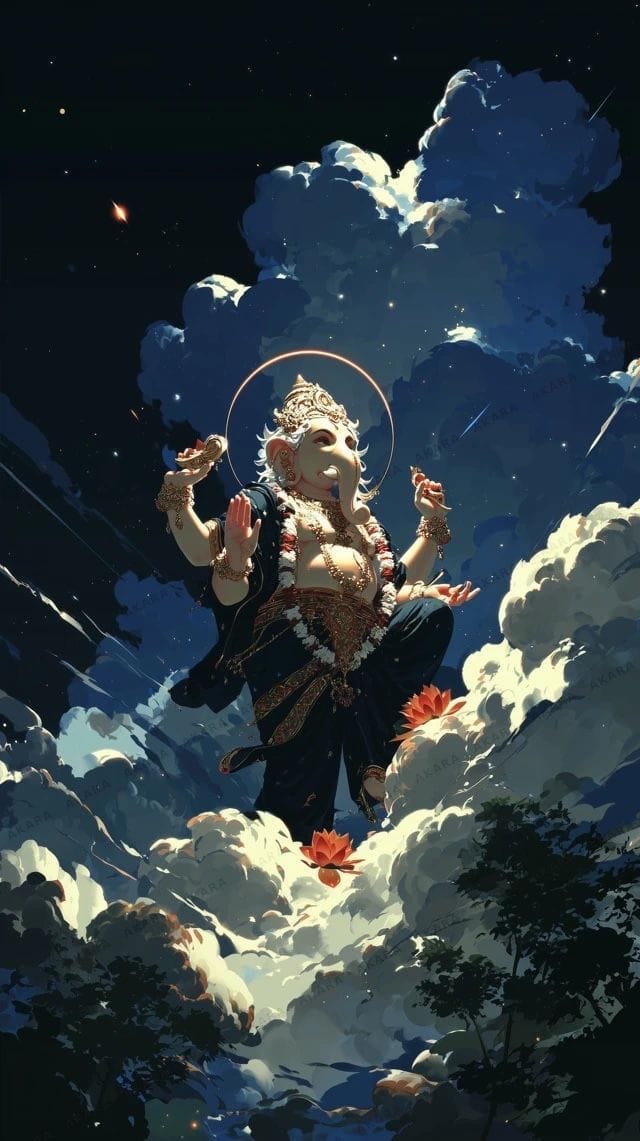
Before the sun has fully risen, the panchang has already spoken. Today's confluence of Krishna Chaturthi tithi, Ashwini nakshatra in its first pada, and the Moon moving through fiery Mesha rashi creates a day of remarkable energetic contrast — swift yet contemplative, bold yet devotional. In the Vedic jyotish tradition, these are not omens to fear or fortunes to chase; they are the rhythmic language of cosmic time, offering the attentive seeker a map for living with greater clarity and grace.
Understanding the Panchang: The Five Limbs of Sacred Time
The word panchang (पञ्चाङ्ग) means literally "five limbs" — tithi (lunar day), vara (weekday), nakshatra (lunar mansion), yoga (a combined solar-lunar calculation), and karana (half-tithi). Together, these five create a living portrait of each day's quality. To consult the daily panchang is not superstition; it is the ancient practice of kāla-viveka — discernment of time — rooted in the understanding that the cosmos and the individual are not separate. As the Taittiriya Upanishad reminds us: satyam jnanam anantam brahma — truth, knowledge, and the infinite are one. The panchang is one tool through which that infinite truth expresses itself in the finite flow of days.
Today's yoga is Vriddhi (वृद्धि), meaning growth or increase. This adds an auspicious undercurrent to the day, suggesting that seeds planted with intention — whether in learning, healing, or devotion — carry a certain momentum.
Ashwini Nakshatra: The Spark of the Celestial Healers
Ashwini (अश्विनी) is the first of the 27 lunar mansions, spanning the early degrees of Mesha (Aries). Its presiding deities are the Ashwini Kumaras — the divine twin physicians of the celestial realm, celebrated in the Rigveda as swift, luminous, and eternally youthful. Their very names evoke the horse (ashwa), symbol of speed, vitality, and the prana that animates all living things.
When the Moon transits Ashwini's first pada today, it falls within the Aries navamsha — a double dose of Mesha's fire and initiative. This pada is particularly associated with:
- New beginnings: Ashwini is the nakshatra of adi shakti in the realm of healing and movement. Starting something today carries the blessing of its freshness.
- Physical vitality: The Ashwini Kumaras are physicians; attention to the body — rest, nourishment, gentle exercise — is well-starred.
- Speed and decisiveness: Ashwini's shadow quality is impulsiveness. The tradition counsels harnessing its swiftness without losing discernment.
- Healing and medicine: Consulting healers, beginning a health regimen, or offering prayers for the sick aligns beautifully with this nakshatra's essence.
The symbol of Ashwini is the horse's head — noble, alert, and ready. Today, let your readiness be married to wisdom.
Krishna Chaturthi: The Lunar Day of Turning Inward
The tithi today is Krishna Chaturthi (कृष्ण चतुर्थी) — the fourth day of the waning fortnight. In the Hindu calendar, the Krishna paksha (dark fortnight) is traditionally associated with dissolution, reflection, and the gradual withdrawal of lunar light. The fourth tithi, Chaturthi, is presided over by Lord Ganesha in many regional traditions and carries the energy of vighna-hara — the removal of obstacles — even as the moon diminishes.
There is a beautiful paradox here: while Ashwini pulls the energy outward with urgency and vitality, Krishna Chaturthi gently asks us to look within. The waning moon encourages releasing what no longer serves — old habits, unnecessary anxieties, grudges held too long. This is not a day for grand launches or contracts requiring sustained external momentum; it is, rather, a day when inner work and devotional practice deepen naturally.
"Let the outer light diminish so that the inner flame may be seen." — A reflection in the spirit of the Upanishadic tradition.
Traditionally, Chaturthi is considered less auspicious for new business ventures or marriages, but highly supportive of worship, study, charitable giving, and matters of health and healing — which resonates perfectly with Ashwini's own inclination today.
Moon in Mesha: Fire, Will, and the Need for Patience
With the Moon in Mesha rashi (Aries), emotions run with a certain directness and intensity. Mesha is a cardinal fire sign ruled by Mars — it does not linger in ambiguity. Feelings surface quickly; enthusiasm ignites easily. The Sun, currently in Simha (Leo), adds further fire to the sky's constitution, making the day warm, creative, and perhaps a little restless.
This is traditionally a day when:
- Leadership and initiative feel natural, but benefit from grounding in reflection
- Impatience can surface in conversations — the panchang counsels a breath before responding
- Creative and spiritual work thrives; the fire of Mesha channelled into bhakti (devotion) or artistic expression finds a worthy home
- Physical activity is supported, in harmony with Ashwini's healing vitality
In Vedic astrology, no configuration is purely good or bad. Each day offers a particular quality of energy, and the wisdom lies in meeting it with awareness rather than reaction.
A Reflective Practice for Today
The panchang is most useful not as a passive forecast but as an invitation to live more consciously. Here is a short practice aligned with today's energies, offered in the spirit of sanatana dharma — the eternal way:
Morning: Light a lamp or a stick of incense and offer a simple salutation to the Ashwini Kumaras — or simply to the Sun as the source of vitality — acknowledging the gift of health and movement. Even thirty seconds of this attention shifts the quality of the day.
Midday: Notice where impatience arises. The Moon in Mesha and the quicksilver energy of Ashwini can make waiting feel unbearable. When this arises, try three slow, conscious breaths — pranayama in its simplest form — and return to the task with renewed steadiness.
Evening: With the waning moon of Krishna Chaturthi as your companion, spend a few minutes in quiet reflection. What are you ready to release? Write it down, or simply sit with the question. The Yoga Vriddhi supports any growth that emerges from honest self-examination.
This is not about changing who you are; it is about noticing, with kindness, where you are.
Closing Reflection
In the Akara tradition, every day of the panchang is understood as a doorway — not a verdict. The Ashwini Kumaras gallop across the sky bringing healing and light; Krishna Chaturthi asks us to receive that light in stillness. Sun in Simha reminds us of our inherent dignity. Moon in Mesha keeps the heart awake and willing. Yoga Vriddhi whispers: something is growing here, if you tend it with care.
May today's panchang serve not as a prediction but as a companion — a living reminder that in Sanatana Dharma, even time itself is sacred, and every moment is an opportunity for deeper devotion, viveka (discernment), and grace.
Let the outer light diminish so that the inner flame may be seen.
वक्रतुण्ड महाकाय सूर्यकोटि समप्रभ । निर्विघ्नं कुरु मे देव सर्वकार्येषु सर्वदा ॥ vakratuṇḍa mahākāya sūryakoṭi samaprabha | nirvighnaṃ kuru me deva sarvakāryeṣu sarvadā ||
O Lord with the curved trunk and mighty form, whose radiance equals a million suns, remove all obstacles from my path in all endeavors, always.
Questions & answers
What is Ashwini nakshatra and why is it significant in Vedic astrology?
Ashwini is the first of the 27 nakshatras, spanning early Mesha (Aries). Its presiding deities are the Ashwini Kumaras, the divine twin healers of the Vedic tradition. It is associated with speed, vitality, new beginnings, and healing — making it a dynamic and initiating lunar mansion.
What does Krishna Chaturthi tithi mean and how does it affect daily activities?
Krishna Chaturthi is the fourth day of the waning lunar fortnight. It carries the energy of reflection, inner work, and release. Traditionally it supports worship, study, and charitable acts, while being considered less ideal for major new ventures or contracts requiring sustained outward momentum.
Is the daily panchang a form of prediction or fortune-telling?
No. In the Vedic jyotish tradition, the panchang is a map of cosmic time, not a fate-determining forecast. It describes the quality and character of a given day so that seekers can align their actions and awareness accordingly. It is a tool for discernment, not prediction.
What is Yoga Vriddhi in the panchang?
Yoga in the panchang is one of the five limbs (panchangas) and is calculated from the combined longitudes of the Sun and Moon. Vriddhi means 'growth' or 'increase,' and days carrying this yoga are traditionally considered supportive of constructive, growth-oriented activity, especially learning and devotional practice.
How can I use today's panchang guidance practically in daily life?
The panchang is best used as a contemplative companion. Morning awareness of the tithi and nakshatra can orient your intentions; midday, you can check in with your emotional state relative to the day's qualities (for example, Mesha Moon's tendency toward impatience); in the evening, reflective practices aligned with the waning moon support inner clearing and growth.